
Views: 0 Author: Site Editor Publish Time: 2025-12-03 Origin: Site


Have you ever wondered what makes certain ropes so reliable? Polypropylene rope, or PP rope, is a versatile and essential tool in various applications. Made from a durable thermoplastic polymer, it stands out due to its lightweight and affordable nature.
In this post, you’ll learn about the key characteristics of PP rope and its common uses across different industries.
Polypropylene rope, often referred to as PP rope, is a type of synthetic rope made from a thermoplastic polymer. Its unique properties make it suitable for a wide range of applications. Unlike natural fibers, PP rope is designed to be lightweight and highly durable, ensuring it can withstand various conditions.
In simple terms, PP rope is a strong, flexible material used in many industries. It’s known for its ability to float on water, making it ideal for marine applications. This rope is available in various colors and styles, allowing for customization based on specific needs.
PP rope is primarily made from polypropylene, a type of plastic known for its resilience and resistance to moisture. The manufacturing process involves spinning the polypropylene fibers into strands, which are then twisted or braided to create the final product. This construction gives it strength while keeping it lightweight.
Property | Description |
Material | Thermoplastic polymer (polypropylene) |
Weight | Lightweight and easy to handle |
Durability | Resistant to wear, rot, and mildew |
Buoyancy | Floats on water |
PP rope is favored for several reasons. Its affordability makes it accessible for both personal and industrial use. Additionally, its lightweight nature allows for easy handling, making it practical for various tasks.
1. Lightweight: Weighing significantly less than natural ropes, PP rope is easy to transport and use.
2. Durable: It resists abrasion and offers excellent strength, ensuring longevity even under stress.
3. Affordable: Compared to other types of ropes, PP rope is cost-effective, making it a popular choice for many applications.
These characteristics contribute to its widespread use in marine, industrial, and home environments. From securing boats to bundling materials, PP rope proves to be a reliable choice for various tasks.
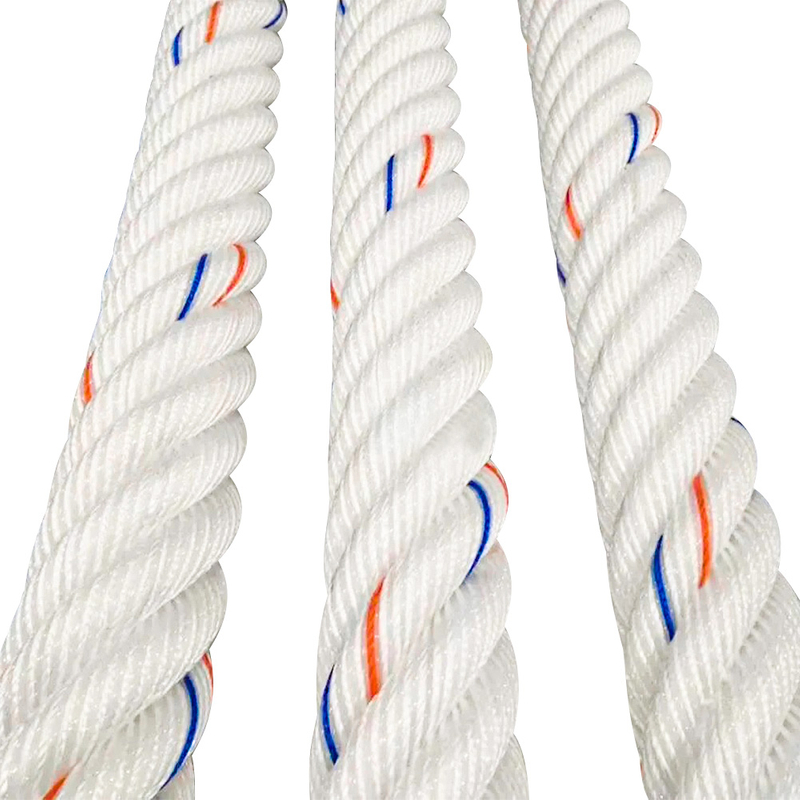
PP rope stands out for its remarkable physical properties. One of its most notable features is its lightweight nature. Compared to natural fibers, it is much easier to handle and transport. This characteristic makes it a favorite among users who need efficiency and convenience.
● Buoyancy: PP rope floats effortlessly on both fresh and salt water. This is crucial for marine applications, whether you’re using it for boating, fishing, or securing equipment. Its ability to stay on the surface provides significant advantages in safety and visibility.
● Moisture Resistance: Unlike traditional ropes, which can degrade when wet, PP rope can be stored in damp conditions without losing its integrity. This resistance ensures longer life and reliability, even in challenging environments.
Physical Property | Description |
Weight | Lightweight, easy to handle |
Buoyancy | Floats on fresh and salt water |
Moisture Resistance | Resists rot and mildew, suitable for wet conditions |
The chemical properties of PP rope further enhance its appeal. It exhibits excellent resistance to a variety of substances, including:
● Acids: Protects against degradation in acidic environments.
● Alkalis: Maintains integrity when exposed to alkaline substances.
● Oils and Gases: Ideal for industrial applications where exposure to harsh chemicals is common.
However, there is a catch. While it is durable, PP rope can degrade when exposed to direct sunlight over time. To combat this issue, manufacturers often treat it with UV stabilizers. These additives help maintain the rope’s strength and flexibility, ensuring it lasts longer in outdoor settings.
When it comes to mechanical properties, PP rope demonstrates impressive strength and moderate elongation. This means it can handle significant loads without breaking or stretching excessively.
● Shock Absorption: Its ability to absorb shock makes it ideal for various applications, from towing to securing loads.
● Abrasion Resistance: The abrasion resistance of PP rope is noteworthy. It can withstand wear and tear, making it a durable choice for tasks that involve friction. This durability ensures that it performs reliably, even in demanding situations.
Mechanical Property | Description |
Strength | High load-bearing capacity |
Elongation | Moderate stretch under pressure |
Abrasion Resistance | Withstands wear and tear effectively |
One of the standout features of PP rope is its flexibility. This property allows for easy handling, splicing, and knotting, making it user-friendly for various tasks.
● Ease of Use: The rope’s structure simplifies operations in practical applications. For example, when securing items or setting up equipment, the lightweight and flexible design makes the job quicker and more efficient.
● Versatility: Whether you are tying down a tarp, bundling materials, or creating a safety line, PP rope adapts well to different scenarios.
In summary, the characteristics of PP rope—its physical, chemical, and mechanical properties—combine to make it a versatile and reliable choice for a wide range of uses. Its handling advantages further enhance its appeal, ensuring it meets the demands of various industries and everyday tasks.
When it comes to polypropylene rope, the structure plays a crucial role in its performance and application. There are two primary types of structures: twisted and braided.
● Twisted Structures: This type involves twisting multiple strands together. Twisted ropes are generally more flexible and easier to handle, making them suitable for various applications. They can be used for general tying and light-duty tasks.
● Braided Structures: Braided ropes, on the other hand, consist of strands that are interwoven. This design enhances strength and stability, making braided ropes ideal for heavy-duty applications. They are less likely to unravel and provide a smoother surface, which can be beneficial in certain scenarios.
Structure Type | Description | Applications |
Twisted | Multiple strands twisted together | General tying, light-duty tasks |
Braided | Strands interwoven for enhanced strength | Heavy-duty applications, mooring |
The strand count of PP rope also influences its strength and flexibility. Common strand counts include:
● 4 Strands: Ideal for light-duty applications such as basic outdoor tasks and packaging.
● 6 Strands: Offers improved load-bearing capacity, suitable for industrial light-duty traction.
● 8 Strands: Provides even greater strength, often used in marine environments for towing and securing boats.
● 12 Strands: Typically used for mooring applications, offering high strength and low elongation.
There are several popular variants of PP rope, each designed for specific uses. Here’s a closer look at some of these variants:
● 4 Strands Twisted PP Rope: This variant is perfect for general tying and light bundling tasks. Its flexibility makes it easy to work with.
● 6 Strands Plastic Braided PP Rope: Known for its smooth surface and strong load-bearing capacity, this rope is commonly used for light industrial tasks and daily packaging.
● 12 Strands Braided Polypropylene Mooring Rope: This high-strength rope is ideal for securing boats and ships. Its low elongation ensures stability during mooring.
● Heavy Duty 8 Strands Plastic Danline Ship Rope: Designed for demanding marine operations, this rope offers exceptional strength and durability for towing and other heavy tasks.
● Mixed Color Marked Line: This variant features bright colors for easy identification. It is commonly used for safety marking in construction sites and other areas where visibility is crucial.
PP Rope Variant | Features | Uses |
4 Strands Twisted PP Rope | Flexible, easy to handle | General tying, light bundling |
6 Strands Plastic Braided PP Rope | Smooth, strong load-bearing | Industrial tasks, daily packaging |
12 Strands Braided Polypropylene Mooring Rope | High strength, low elongation | Mooring boats and ships |
Heavy Duty 8 Strands Plastic Danline Ship Rope | Exceptional strength, designed for heavy tasks | Towing, marine operations |
Mixed Color Marked Line | Bright colors for visibility | Safety marking, construction sites |
One of the great features of PP rope is its customizability. Manufacturers often offer options based on customer needs. This can include:
● Diameter and Length: Customers can choose the thickness and length of the rope based on their specific requirements.
● Color Options: Various colors are available for aesthetic purposes or to meet safety standards.
● Structure Type: Depending on the application, customers can select between twisted and braided structures.
These customizable options ensure that users can find the perfect PP rope for their specific tasks, enhancing both functionality and safety.
PP rope is exceptionally popular in marine and water-related applications due to its unique properties. Its buoyancy and resistance to moisture make it ideal for various tasks on and around water. Here are some key uses:
● Boat Mooring and Towing: PP rope is commonly used to secure boats at docks or during towing operations. Its strength and flexibility ensure that it can handle the stresses involved in mooring and towing, providing safety and stability.
● Water Sports Applications: This rope is a favorite among water sports enthusiasts. Whether for wakeboarding or waterskiing, its ability to float makes it easy to retrieve after a fall. The lightweight nature also allows for smooth handling during activities.
● Floating Markers and Buoys: In marine environments, visibility is crucial. PP rope is often used to create floating markers and buoys, helping to delineate swimming areas or navigate waterways. Its bright colors enhance visibility, ensuring safety for all users.
● Deep Sea Mooring: In marine engineering and ocean transportation, PP rope plays a vital role. It is used for deep-sea mooring, securing vessels in challenging conditions. Its durability and resistance to saltwater corrosion make it a reliable choice for offshore operations.
Marine Application | Description |
Boat Mooring and Towing | Secures boats at docks and during towing operations |
Water Sports | Ideal for wakeboarding and waterskiing |
Floating Markers and Buoys | Helps delineate areas and enhances visibility |
Deep Sea Mooring | Essential for securing vessels in marine engineering |
In industrial settings, PP rope proves to be versatile and effective for various tasks. Its strength and durability make it suitable for numerous applications:
● Bundling and Securing Materials: PP rope is often used to bundle and secure materials during transportation. Its ability to withstand tension ensures that items remain tightly secured, preventing damage during transit.
● Light-Duty Industrial Tasks: Many industries utilize PP rope for light-duty tasks, such as tying down equipment or securing loads on trucks. Its lightweight nature allows for easy handling, making it a practical choice for workers.
● Barrier Lines in Construction Sites: Safety is paramount in construction, and PP rope is frequently used to create barrier lines. Its visibility and strength help keep unauthorized personnel out of hazardous areas, promoting workplace safety.
● Utility Lines: In logistics, PP rope is invaluable for fixing utility lines. It provides a reliable solution for securing items in transport, ensuring they remain in place throughout the journey.
Industrial Application | Description |
Bundling and Securing | Keeps materials tightly bundled during transport |
Light-Duty Tasks | Used for tying down equipment and securing loads |
Barrier Lines | Enhances safety in construction sites |
Utility Lines | Secures items in transportation |
PP rope is not just for industrial or marine applications; it also finds a place in everyday home and garden tasks. Here’s how it can be utilized:
● General Utility for Outdoor Tasks: Whether you need to tie down a tarp or secure outdoor furniture, PP rope is perfect for various outdoor tasks. Its strength and resistance to the elements make it an excellent choice for garden use.
● Supporting Plants and Gardening Needs: Gardeners often use PP rope to support climbing plants or to create trellises. Its lightweight and flexible nature allows for easy adjustments as plants grow.
● Clotheslines and Outdoor Furniture Securing: PP rope is commonly used for clotheslines, as it does not absorb water and remains durable in wet conditions. Additionally, it can secure outdoor furniture during windy weather.
● Agricultural Applications: In farming, PP rope can be used to secure small-scale agricultural facilities or bundle crops for transport. Its strength ensures that it can handle the demands of agricultural work.
Home and Garden Application | Description |
General Utility | Useful for tying down tarps and securing furniture |
Supporting Plants | Helps support climbing plants and create trellises |
Clotheslines | Durable and water-resistant for outdoor use |
Agricultural Applications | Secures facilities and bundles crops |
One of the standout advantages of PP rope is its cost-effectiveness. When compared to other rope types such as nylon and polyester, PP rope often comes out on top in terms of affordability.
● Price Comparison: Nylon and polyester ropes are generally more expensive due to their higher strength and durability. However, for many everyday applications, PP rope provides sufficient strength at a lower cost.
● Value for Money: Given its versatility, PP rope offers excellent value. It can be used in a variety of settings—from marine to industrial and home applications—making it a smart investment for users who need reliable performance without breaking the bank.
Rope Type | Cost | Strength | Best Use |
PP Rope | Low | Moderate | General use, marine applications |
Nylon | High | High | Heavy-duty tasks, climbing |
Polyester | Moderate | High | Outdoor use, tarps |
Safety is another critical advantage of using PP rope. Its unique properties contribute to a safer working environment, especially in industrial and marine settings.
● Dielectric Properties: One of the key safety features of PP rope is its dielectric nature. This means it does not conduct electricity, making it an excellent choice for electrical applications. It can be safely used around power lines and electrical equipment without the risk of electrical shock.
● Reduced Risk of Injury: The lightweight nature of PP rope also helps reduce the risk of injury during handling. It is easier to work with, which minimizes accidents related to heavy or cumbersome materials.
Safety Feature | Benefit |
Dielectric Properties | Safe for use around electrical equipment |
Lightweight Design | Reduces handling injuries |
PP rope is not only effective but also easy to maintain and store. This aspect is crucial for users who need their equipment to last without constant upkeep.
● Storage Convenience: One of the biggest advantages is that PP rope can be stored wet without degrading. Unlike natural fibers, which can rot or mildew, PP rope remains intact even after exposure to moisture.
● Low Maintenance: It requires minimal maintenance. Users can simply rinse it off if it gets dirty, and it will dry quickly without losing its structural integrity. This ease of care makes it a preferred choice for both casual users and professionals.
Maintenance Aspect | Description |
Wet Storage | Can be stored wet without degradation |
Easy Cleaning | Rinses off easily and dries quickly |
When choosing a rope, compliance with performance standards is essential. PP rope adheres to various national and international standards, ensuring reliability and safety in its applications.
● Quality Assurance: Manufacturers often test PP rope to meet specific performance criteria. This means users can trust that they are using a product that has been evaluated for quality and safety.
● Industry Standards: Many industries require ropes to meet certain specifications for strength and durability. PP rope is designed to comply with these standards, providing peace of mind for users in sectors like construction, marine, and agriculture.
Compliance Aspect | Description |
Quality Assurance Testing | Meets specific performance criteria |
Industry Compliance | Adheres to standards in various applications |
While PP rope has many advantages, it also comes with certain limitations that users should consider. Understanding these drawbacks can help in making informed decisions about when and how to use this type of rope.
● UV Sensitivity and Potential Brittleness: One significant issue is the sensitivity of PP rope to ultraviolet (UV) light. Prolonged exposure to sunlight can lead to degradation, making the rope brittle over time. This brittleness can compromise its strength and flexibility, particularly in outdoor applications where sunlight is unavoidable.
● Lower Strength Compared to Nylon or Polyester: Although PP rope is strong enough for many tasks, it does not match the strength of nylon or polyester ropes. For heavy-duty applications, such as climbing or towing, nylon and polyester are often preferred due to their superior tensile strength and durability.
Rope Type | Strength | Best Use |
PP Rope | Moderate | General use, light-duty tasks |
Nylon | High | Heavy-duty tasks, climbing |
Polyester | High | Outdoor use, tarps |
● Issues with Knot Security: Another drawback of PP rope is its slick surface, which can lead to problems with knot security. Knots may slip or come undone more easily compared to rougher ropes, making it essential to use specific knots designed for slippery materials. This can be particularly problematic in situations where safety is critical.
Friction can also pose challenges when using PP rope, especially under heavy usage conditions. The rope has a relatively low melting point compared to other materials, which can lead to issues during intense or prolonged use:
● Heat Generation: When subjected to heavy loads or friction, PP rope can generate heat. This heat can weaken the rope and potentially cause it to melt or deform. Users should be aware of this risk when using PP rope in applications involving significant tension or friction.
● Performance Degradation: Over time, frequent exposure to high friction can degrade the rope's performance. This degradation may result in reduced strength and increased likelihood of failure, especially in critical applications where reliability is paramount.
Friction Issue | Description |
Low Melting Point | Can melt or deform under heavy load or friction |
Heat Generation | Weakens rope over time, risking performance |
In summary, while PP rope offers many benefits, it is crucial to consider its limitations. Users should evaluate the specific requirements of their tasks to determine if PP rope is the right choice or if an alternative material would better suit their needs.
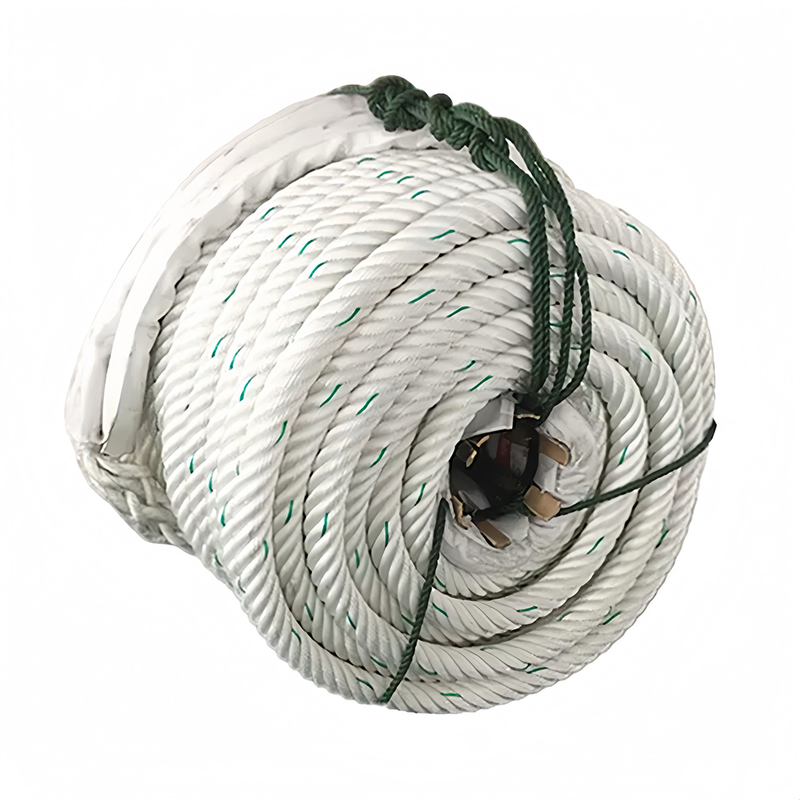
When it comes to PP rope, customization is a key feature that allows users to tailor products to meet specific needs. This flexibility makes it suitable for a wide range of applications, from industrial to recreational.
● Diameter and Length Variations: Customers can choose from various diameters and lengths, ensuring they get exactly what they need for their projects. Whether you require a lightweight rope for gardening or a thicker, more robust option for marine use, there are plenty of choices available. This adaptability allows for optimal performance in different environments.
● Color and Logo Printing Options: Another exciting aspect of customization is the availability of color options and logo printing. PP rope can be produced in a variety of colors, making it easy to match branding or enhance visibility in outdoor settings. Additionally, businesses can add their logos to the rope, which is particularly useful for promotional purposes or to identify equipment easily.
Customization Feature | Description |
Diameter Variations | Options for different thicknesses to suit needs |
Length Variations | Custom lengths available for specific applications |
Color Options | Variety of colors for branding or visibility |
Logo Printing | Custom logos for identification and promotion |
Ensuring quality and safety is paramount when selecting any type of rope, and PP rope is no exception. Manufacturers often adhere to rigorous quality assurance processes to meet industry standards.
● Compliance with National and International Standards: Many PP ropes are designed to comply with both national and international standards. This compliance ensures that the products meet specific performance criteria, providing users with confidence in their reliability and safety.
● Overview of Testing Processes and Equipment: Manufacturers typically implement extensive testing processes to evaluate the strength, durability, and overall performance of PP rope. This may include tensile strength tests, abrasion resistance tests, and environmental exposure tests. Advanced equipment is used to simulate real-world conditions, ensuring the rope will perform as expected.
Quality Assurance Aspect | Description |
Standard Compliance | Meets national and international safety standards |
Testing Processes | Involves tensile strength and durability testing |
Advanced Equipment | Utilizes technology to simulate real-world conditions |
In addition to quality assurance, many manufacturers seek certifications from recognized classification societies. These approvals further enhance the credibility of the products.
● Certifications from Classification Societies: Obtaining certification from organizations such as the American Bureau of Shipping (ABS) or Lloyd’s Register signifies that the PP rope has undergone rigorous evaluation. These certifications assure users that the rope meets high standards of safety and performance, making it suitable for various critical applications.
● Importance of Factory Approval: Factory approval indicates that the manufacturing processes meet specific quality management standards. This approval reassures customers that the products are consistently produced under controlled conditions, enhancing overall reliability.
Approval Type | Description |
Product Approval | Certification from classification societies |
Factory Approval | Ensures consistent quality in manufacturing |
PP rope is a versatile and cost-effective option. It offers several advantages, including lightweight design and resistance to moisture.
Its customization options and compliance with safety standards make it suitable for many applications.
When considering rope for your projects, PP rope should be a top choice.
Its performance and affordability can meet a variety of needs effectively.
A: The lifespan of PP rope varies but typically lasts several years with proper care, though UV exposure can reduce durability.
A: No, PP rope is not suitable for climbing or heavy lifting due to its lower strength compared to nylon or polyester.
A: PP rope performs well in moisture but can become brittle with prolonged UV exposure and may degrade in extreme cold.
A: PP rope is not biodegradable, as it is made from synthetic materials, but it can be recycled.
A: High-quality PP rope can be purchased from hardware stores, marine supply shops, or online retailers specializing in rope products.


