
Views: 0 Author: Site Editor Publish Time: 2025-12-05 Origin: Site


Are you struggling to find the right rope for your project? Choosing the perfect polypropylene rope (PP rope) can be challenging with so many options available.
In this article, we will explore what PP rope is and its key benefits. You’ll learn about its composition, common uses, and why it’s the ideal choice for various applications.
Polypropylene rope, often referred to as PP rope, is a synthetic rope made from a thermoplastic polymer. This material is known for its lightweight and durable nature. It is commonly used in various applications due to its unique properties.
PP rope is composed of long chains of polypropylene molecules, which gives it flexibility and strength. The manufacturing process involves extruding the polypropylene into fibers, which are then twisted or braided to form the rope. This method ensures a strong yet lightweight product that can withstand various environmental conditions.
Property | Description |
Material | Polypropylene |
Weight | Lightweight |
Strength | High tensile strength |
Resistance | UV and chemical resistant |
Floatability | Yes |
PP rope is incredibly versatile. It finds applications in many fields, including:
● Marine Use: Ideal for mooring boats and fishing gear due to its buoyancy.
● Agriculture: Used for bundling crops and securing equipment.
● Construction: Serves in scaffolding and lifting tasks.
● Outdoor Activities: Perfect for camping, hiking, and other recreational uses.
This wide range of applications showcases its practicality and effectiveness.
When selecting a rope for your project, consider the advantages of PP rope. It offers several benefits over traditional ropes made from natural fibers or other synthetics.
1. Lightweight: PP rope is significantly lighter than many alternatives, making it easier to handle and transport.
2. Chemical Resistance: It withstands exposure to various chemicals, making it suitable for industrial use.
3. Buoyancy: It floats on water, which is essential for marine applications.
These qualities make PP rope an excellent choice for both professional and personal projects. Whether you're securing items or engaging in outdoor activities, it provides reliability and efficiency.
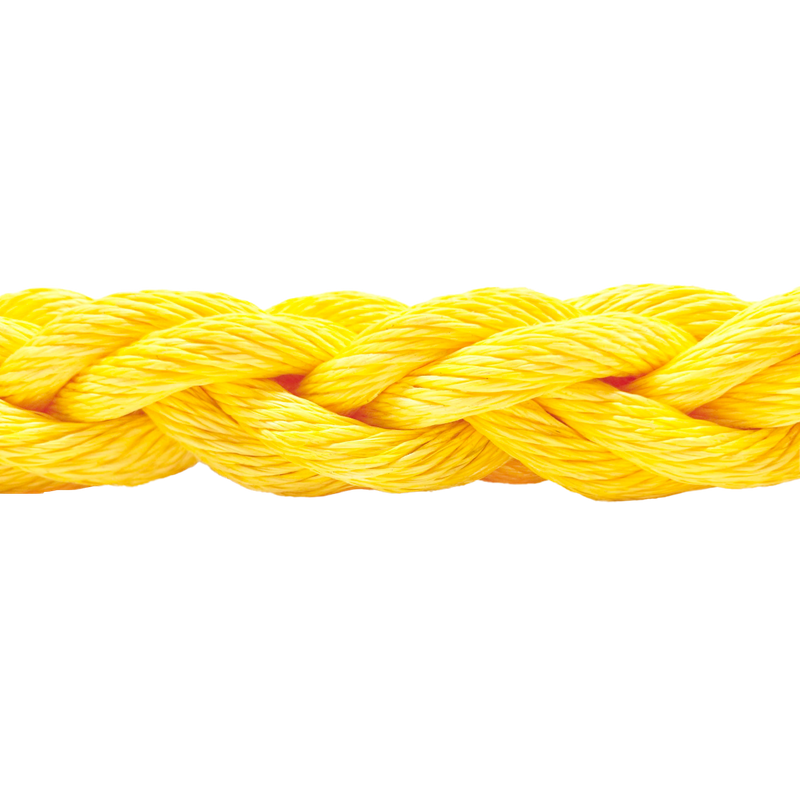
One of the standout features of polypropylene rope (PP rope) is its remarkable floatability. This characteristic is due to its specific gravity, which is less than that of water. To put it simply, PP rope has a specific gravity of about 0.91, making it lighter than water. This means it won’t sink, making it ideal for various water-related applications.
Ideal Applications for Floating Ropes:
● Water Sports: Perfect for tow lines in activities like water skiing and wakeboarding.
● Marine Use: Commonly used for mooring boats and as fishing lines, ensuring they stay above water.
● Rescue Operations: Useful in emergencies where buoyancy is crucial.
PP rope is well-known for its resistance to chemicals and ultraviolet (UV) rays. This resistance comes from the molecular structure of polypropylene, which does not easily break down when exposed to harsh substances. For instance, it can withstand oils, acids, and other chemicals commonly found in industrial settings.
Importance of UV Resistance for Outdoor Applications:
● Longevity: UV resistance helps prevent degradation from sunlight, extending the rope's life.
● Safety: Using UV-resistant rope is vital for outdoor applications, as it maintains strength and flexibility.
Property | Impact |
Chemical Resistance | Withstands exposure to harsh substances |
UV Resistance | Prevents degradation from sunlight |
When it comes to strength, PP rope offers impressive tensile strength, which refers to the maximum amount of tensile (pulling) stress it can handle before breaking. This makes it suitable for heavy-duty tasks. The breaking strength of PP rope varies based on its diameter and construction, but it generally provides reliable performance across various applications.
Understanding Working Load Limit (WLL): The working load limit is crucial for safely using PP rope. It indicates the maximum load that the rope can handle during regular use. Typically, the WLL is about 15% to 20% of the rope's breaking strength.
● Why is WLL Important?
○ Safety: Knowing the WLL helps prevent overloading, reducing the risk of accidents.
○ Performance: Ensures the rope performs effectively under expected conditions.
Diameter (mm) | Breaking Strength (kg) | Typical WLL (kg) |
4 | 200 | 30 |
8 | 800 | 120 |
12 | 1500 | 225 |
These characteristics make PP rope a versatile choice for various projects, ensuring durability and reliability in both marine and industrial applications. Its unique properties cater to the needs of users looking for a dependable rope solution.
When selecting the right PP rope, understanding the structure is crucial. The two primary types of construction are twisted and braided ropes.
Differences Between Twisted and Braided PP Rope:
● Twisted PP Rope (3-Strand): This type is known for its flexibility, making it ideal for light-duty tasks. It’s easy to handle and splice, which is beneficial for temporary applications like securing lightweight items or general utility use.
● Braided PP Rope: This rope type features a higher density, offering increased wear resistance. It’s perfect for heavy-duty scenarios, such as marine mooring or towing, where strength and durability are paramount.
Type of Rope | Flexibility | Durability | Best Uses |
Twisted PP Rope | High | Moderate | Light-duty tasks |
Braided PP Rope | Moderate | High | Heavy-duty applications |
Choosing the right diameter is essential for ensuring the rope can handle the expected load. To calculate the load requirements for your project, consider both the weight of the items being secured and the type of task.
Recommended Diameters for Various Applications:
● Light Bundling: For small packages or light agricultural products, a diameter of 4mm to 8mm is suitable.
● Marine Mooring: If you’re mooring small boats or buoys, opt for a diameter between 10mm to 16mm.
● Heavy-Duty Tasks: For demanding applications like towing or securing large loads, choose diameters of 16mm or larger.
Application | Recommended Diameter (mm) |
Light Bundling | 4 - 8 |
Marine Mooring | 10 - 16 |
Heavy-Duty Tasks | 16+ |
Another important factor is the environmental conditions in which the PP rope will be used. Different applications require different considerations regarding water exposure and UV resistance.
Importance of Water Exposure and UV Resistance:
● Water Exposure: Since PP rope floats, it’s ideal for marine environments. However, prolonged exposure to saltwater can affect its lifespan, so consider rinsing it after use.
● UV Resistance: For outdoor applications, UV resistance is vital. Prolonged sunlight exposure can weaken the rope over time. Choosing a rope specifically designed to resist UV rays will enhance its durability.
Choosing PP Rope Based on Environmental Conditions:
● Indoor Use: If the rope will be used indoors or in a controlled environment, standard PP rope is usually sufficient.
● Outdoor Use: For outdoor tasks, particularly those exposed to sunlight and moisture, select UV-resistant PP rope to ensure longevity and reliability.
By considering these key factors—rope structure, diameter, strength, and environmental conditions—you can confidently choose the right PP rope for your specific project needs. This thoughtful selection process can significantly impact the success and safety of your tasks.
When selecting PP rope, one of the first decisions involves the material. You can choose between pure polypropylene and mixed materials.
Pure Polypropylene: This option offers excellent buoyancy and chemical resistance. It's lightweight and suitable for a wide range of applications, especially in marine environments.
Mixed Materials: Combining polypropylene with other fibers can enhance specific properties. For example, adding nylon can increase strength and durability, making it ideal for heavy-duty tasks.
Material Type | Advantages | Best Uses |
Pure Polypropylene | Lightweight, buoyant, chemical resistant | General use, marine applications |
Mixed Materials | Increased strength, enhanced durability | Heavy-duty applications |
Specifying the right diameter and length for your PP rope is essential for ensuring it meets your project requirements.
Diameter: To determine the appropriate diameter, consider the load requirements and the type of application. For example, lighter tasks may require a diameter of 4mm to 8mm, while heavier tasks may necessitate diameters of 16mm or more.
Length: You can customize the length of the rope based on your specific needs. Whether you need short lengths for small jobs or longer coils for extensive projects, customization ensures you get exactly what you need.
Application | Recommended Diameter (mm) | Custom Length Options |
Light Bundling | 4 - 8 | 50m, 100m |
Marine Mooring | 10 - 16 | 200m, 300m |
Heavy-Duty Tasks | 16+ | 500m or more |
Color plays a significant role in the functionality of PP rope. Choosing the right color can enhance visibility and safety, especially in outdoor or high-traffic areas. Bright colors like yellow or orange are often used for safety lines and marine applications.
Packaging Options: PP rope comes in various packaging styles to suit your needs. Here are some common options:
● OPP Bags: Ideal for small quantities, keeping the rope clean and protected.
● Coils: Convenient for easy handling and storage, perfect for longer lengths.
● Bundles: Useful for bulk purchases, allowing for easy transport.
Packaging Type | Advantages | Best Uses |
OPP Bags | Protects rope, easy to store | Small quantities |
Coils | Convenient for handling | Longer lengths |
Bundles | Economical for bulk purchases | Large projects |
By considering these customization options—material choices, size and length specifications, and color and packaging—you can tailor PP rope to perfectly fit your project needs. This flexibility not only enhances functionality but also ensures that you have the right tools for success.
When it comes to purchasing PP rope, understanding the pricing structure is essential. Several factors influence the cost, and being aware of these can help you make informed decisions.
Key Factors Influencing Price:
● Diameter: Thicker ropes generally cost more due to the increased material used. For example, a 4mm rope will be cheaper than a 16mm rope.
● Length: Longer lengths can sometimes reduce the price per meter, but initial costs may be higher. Bulk purchases often lead to lower overall costs.
● Structure: The type of rope—twisted or braided—also affects the price. Braided ropes are typically more expensive due to their complex manufacturing process and enhanced durability.
Factor | Impact on Price |
Diameter | Thicker ropes cost more |
Length | Longer lengths may lower unit cost |
Structure | Braided ropes are pricier |
Minimum Order Quantity (MOQ) is another crucial aspect to consider when buying PP rope. Understanding typical MOQs can help you plan your purchases effectively.
Typical MOQ for Different Types of PP Rope:
● Twisted PP Rope: Usually has a lower MOQ, often around 100 meters, making it accessible for small projects.
● Braided PP Rope: This type may have a higher MOQ, often starting at 200 meters, due to the more complex manufacturing process.
Negotiating and Adjusting Orders: If your project requires a specific amount of rope that doesn’t meet the MOQ, don’t hesitate to negotiate. Many suppliers are willing to accommodate smaller orders, especially for repeat customers. Here are some tips for negotiation:
1. Build a Relationship: Establishing a good rapport with the supplier can lead to more flexible terms.
2. Explain Your Needs: Clearly communicate your project requirements and why you need a smaller quantity.
3. Consider Bulk Orders: If possible, combine orders with other projects to meet the MOQ while saving money.
Rope Type | Typical MOQ |
Twisted PP Rope | 100 meters |
Braided PP Rope | 200 meters |
By understanding these pricing structures and MOQ considerations, you can better manage your budget and ensure you’re getting the right amount of PP rope for your project. This knowledge empowers you to make smart purchasing decisions that align with your specific requirements.
When selecting PP rope, quality assurance is crucial. High-quality rope ensures safety, durability, and reliability in various applications. Poor-quality rope can lead to accidents, project failures, and increased costs.
Overview of Testing Methods for PP Rope: One of the primary testing methods for assessing the quality of PP rope is tensile testing. This method measures the rope's strength by applying a pulling force until it breaks. The results indicate the maximum load the rope can handle before failure, ensuring it meets required safety standards.
Our company boasts state-of-the-art testing capabilities, including 150-ton and 500-ton tensile testing machines. These machines allow us to conduct rigorous tests on various rope types, ensuring they meet industry standards and customer expectations.
Testing Method | Purpose |
Tensile Testing | Measures strength and load capacity |
Durability Testing | Assesses wear resistance over time |
Certifications play an essential role in rope selection. They provide assurance that the rope meets specific quality and safety standards. Relevant certifications for PP rope include:
● CCS (China Classification Society): Ensures compliance with maritime safety standards.
● BV (Bureau Veritas): Recognizes quality and safety in various industries.
● LR (Lloyd’s Register): Indicates adherence to international maritime regulations.
Impact of Certifications on Your Choice of Rope: Choosing certified PP rope gives you confidence in its performance and reliability. These certifications demonstrate that the rope has undergone rigorous testing and meets industry standards, making it a safer choice for your projects.
Overview of the European Packaging Law Industry Certification: Additionally, the European Packaging Law Industry Certification ensures that the materials used in manufacturing ropes comply with environmental regulations. This certification is significant for businesses focused on sustainability and responsible sourcing. It reflects a commitment to environmental protection while maintaining high-quality standards.
Certification | Significance |
CCS | Maritime safety compliance |
BV | Quality assurance across industries |
LR | Adherence to international regulations |
European Packaging Law | Compliance with environmental standards |
By prioritizing quality assurance and choosing certified products, you can ensure that your PP rope will perform reliably in your specific applications, enhancing safety and efficiency in your projects.
Using PP rope correctly is essential for ensuring safety and maximizing its lifespan. One of the most critical aspects of proper usage is to avoid overloading the rope. Each type of rope has a specific working load limit (WLL), which indicates the maximum load it can safely handle. Always check the WLL and ensure that the load does not exceed this limit.
Recommendations for Splicing and Handling Different Rope Types:
● Splicing Twisted PP Rope: When splicing, use a simple eye splice for added strength. This method maintains flexibility and is easy to perform.
● Handling Braided PP Rope: Braided ropes require careful handling to avoid flattening. Always store them in coils rather than folds to maintain their shape.
Rope Type | Splicing Method | Handling Tips |
Twisted PP Rope | Eye splice | Store in coils |
Braided PP Rope | Double braid splice | Avoid sharp bends |
To keep your PP rope in optimal condition, regular maintenance is crucial. Proper storage and inspection can significantly extend its lifespan.
Storage Recommendations to Prevent Damage:
● Store your rope in a cool, dry place away from direct sunlight. Prolonged exposure to UV rays can weaken the fibers, reducing its effectiveness.
● Use storage containers or bags to keep the rope clean and free from dirt or debris, which can cause abrasion.
Regular Inspection Protocols for Worn Ropes:
● Inspect the rope regularly for signs of wear, such as fraying or discoloration. If you notice any damage, it’s best to replace the rope to ensure safety.
● Look for signs of abrasion, especially if the rope has been used in rough conditions.
Tips for Preventing Friction Damage:
● Avoid dragging the rope across rough surfaces, as this can cause significant wear. If you must pull something, consider using a protective sleeve over the rope.
● When tying knots, ensure they are not too tight, as this can create friction that damages the fibers over time.
Maintenance Task | Frequency | Purpose |
Inspect for wear | Every use | Ensure safety |
Store properly | After each use | Prevent UV damage |
Check knots | Before each use | Minimize friction damage |
By following these usage and maintenance tips, you can ensure that your PP rope remains reliable and effective for all your projects. Taking these simple steps will help you maximize its performance and safety, making your tasks easier and more efficient.
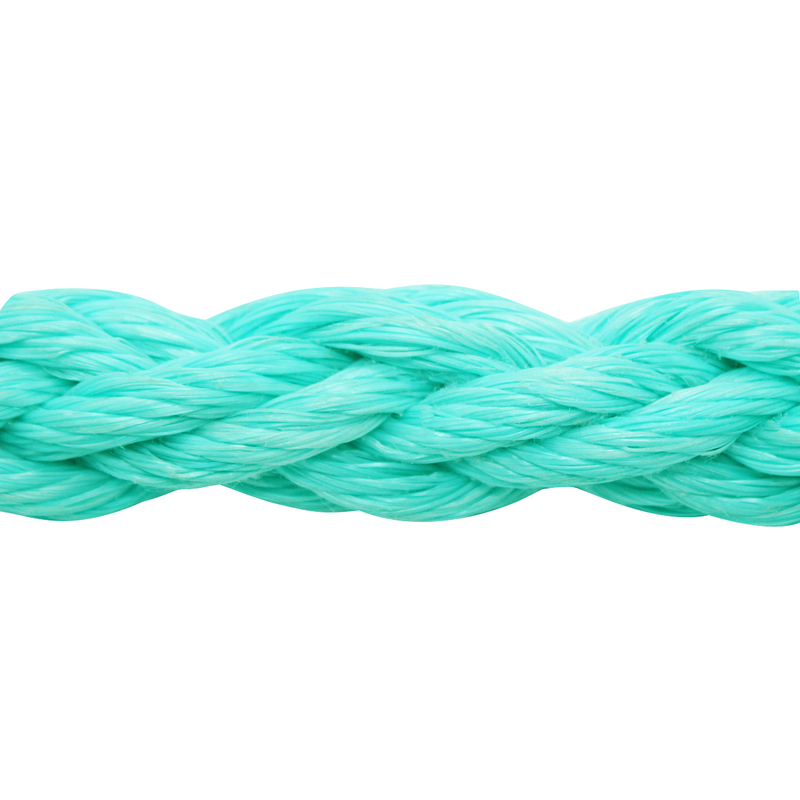
PP rope is incredibly versatile and finds applications across multiple industries. Its lightweight, durable, and resistant properties make it an ideal choice for various tasks.
Marine Engineering: In the marine industry, PP rope is widely used for mooring boats, securing fishing gear, and creating safety lines. For example, fishermen rely on strong PP ropes to handle nets and traps, ensuring their catch is secure.
Water Conservancy: In water management projects, PP ropes are essential for anchoring buoys and securing floating devices. They help maintain the stability of water-related installations, ensuring safe operations.
Agriculture: Farmers utilize PP rope for bundling hay and securing crops. Its weather resistance makes it suitable for outdoor use, while its strength ensures that it can hold heavy loads without breaking.
Construction: In construction sites, PP rope is used for lifting materials, securing scaffolding, and general utility tasks. Its lightweight nature allows for easy handling, while its strength supports various construction activities.
Industry | Specific Applications |
Marine Engineering | Mooring, fishing gear |
Water Conservancy | Anchoring buoys, securing floats |
Agriculture | Bundling hay, securing crops |
Construction | Lifting materials, securing scaffolding |
Customization is key when it comes to meeting the unique needs of different industries. Tailoring the specifications of PP rope ensures that it meets specific standards and requirements.
Tailoring Rope Specifications: Depending on the industry, the specifications for PP rope can vary significantly. For instance, marine applications may require ropes with enhanced UV resistance and higher tensile strength, while agricultural use may focus on durability against weather elements.
Importance of OEM & ODM Services: Original Equipment Manufacturer (OEM) and Original Design Manufacturer (ODM) services play a vital role in supplying specialized applications. These services allow businesses to create custom rope solutions tailored to their specific needs. This could include adjustments in diameter, length, material blend, or even color coding for visibility and safety.
Customization Aspect | Importance |
Diameter | Adjusts to load requirements |
Material Blend | Enhances specific properties |
Color Coding | Improves visibility and safety |
Length | Tailors to project specifications |
By understanding the practical applications of PP rope and the importance of customization, you can make informed choices that enhance the effectiveness of your projects. Whether it’s for marine use, agriculture, or construction, PP rope can be adapted to meet your specific needs.
Choosing the right PP rope is crucial for your projects.
Key points include understanding rope types, proper usage, and maintenance tips.
Customization options and quality assurance are also essential.
Assess your project needs carefully.
For personalized consultations or quotes, reach out today!
A: Twisted PP rope is flexible and suitable for light-duty tasks, while braided PP rope offers higher density and durability for heavy-duty applications.
A: Yes, PP rope is resistant to water and UV rays, making it suitable for various outdoor conditions.
A: Consider the load requirements; lighter tasks need 4-8mm, while heavy-duty tasks require 16mm or larger.
A: Store in a cool, dry place away from direct sunlight and keep it clean in protective containers.
A: You can tailor the diameter, length, material blend, and color through OEM and ODM services.


