
Views: 0 Author: Site Editor Publish Time: 2025-12-06 Origin: Site


Are you looking for a reliable rope for boating and outdoor activities? Polypropylene rope, or PP rope, offers unique advantages over other materials.
In this article, we'll explore what makes PP rope special, its benefits, and why it's the ideal choice for your adventures. You’ll learn about its lightweight nature, durability, and how it compares to nylon and polyester ropes.
Polypropylene rope, commonly known as PP rope, is a type of synthetic rope made from a thermoplastic polymer. It is lightweight yet strong, making it an excellent choice for various applications. The rope's composition gives it unique properties, such as resistance to moisture and chemicals, which enhances its durability in harsh environments.
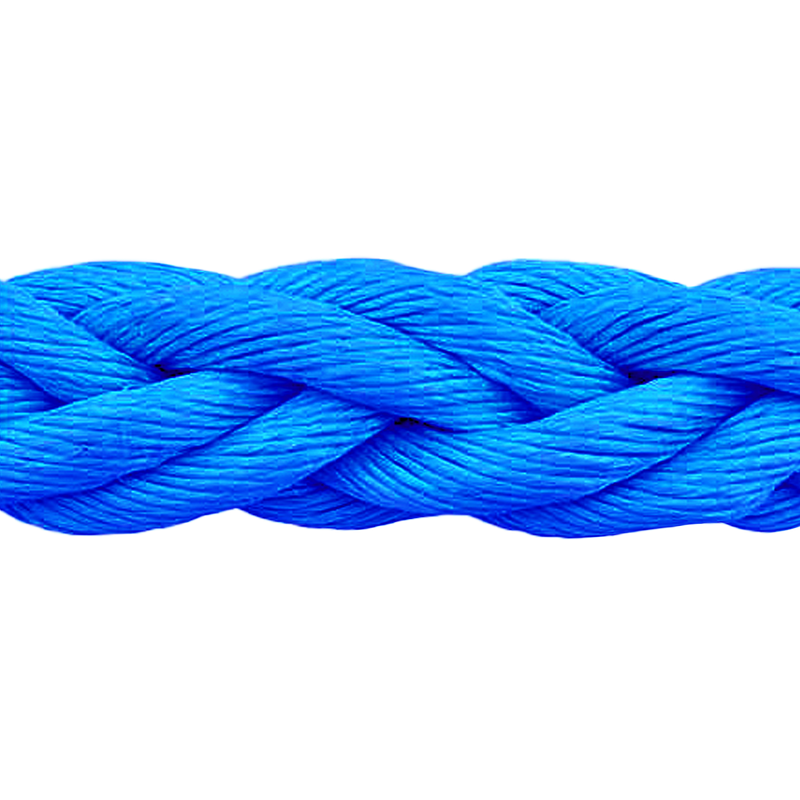
PP rope is primarily made from polypropylene fibers, which are spun into strands and then twisted or braided. This construction provides flexibility and strength, allowing it to handle significant loads without stretching excessively. The lightweight nature of PP rope makes it float on water, a crucial feature for boating and outdoor activities.
Polypropylene was first developed in the 1950s, and since then, it has undergone significant advancements. Initially used in industrial applications, PP rope has evolved to become a popular choice for recreational and marine use. Over the decades, manufacturers have refined production techniques, resulting in stronger, more versatile ropes that cater to various needs.
PP rope offers numerous advantages, particularly for boating and outdoor enthusiasts. Here are some key benefits:
● Lightweight: It is much lighter than traditional ropes made from natural fibers or other synthetics, making it easy to handle.
● Floatable: This rope does not sink, which is essential for marine applications where retrieval is often necessary.
● Durable: PP rope is resistant to rot, mildew, and UV degradation, ensuring longevity even in challenging conditions.
Benefit | Description |
Lightweight | Easy to transport and handle in outdoor settings. |
Floatable | Ideal for water-related activities, preventing entanglement. |
Durable | Resists environmental factors like moisture and UV rays. |
When comparing PP rope to other materials like nylon, polyester, and natural fibers, several differences emerge.
● Nylon: While nylon is known for its strength and elasticity, it tends to absorb water, which can lead to rot over time. In contrast, PP rope remains unaffected by moisture.
● Polyester: Polyester ropes are strong but heavier than PP ropes. They also do not float, making them less suitable for boating.
● Natural Fibers: Ropes made from natural fibers, such as manila or sisal, are biodegradable but can degrade quickly when exposed to the elements. PP rope offers a synthetic alternative that maintains its integrity.
In summary, polypropylene rope stands out due to its unique properties, making it a preferred choice for boating and outdoor activities. Its lightweight and durable nature, combined with its buoyancy, positions it as a versatile option for various applications.

One of the standout features of PP rope is its lightweight nature. This characteristic makes it easy to handle, especially in boating situations where every ounce counts. For example, when mooring a boat or securing gear, having a rope that doesn’t add unnecessary weight is crucial.
● Practical Usage: When you’re out on the water, every bit of weight matters. A lightweight rope allows for easier maneuverability and reduces fatigue during long trips.
Moreover, PP rope floats on water, which is essential for marine applications. If a rope sinks, retrieving it can become a hassle, especially in emergencies. The buoyancy of PP rope allows it to remain on the surface, making it easier to grab when needed.
Feature | Benefit |
Lightweight | Easy to handle and transport |
Floatable | Stays on the surface for easy retrieval |
PP rope excels in resisting various chemicals, including oil, gas, and UV rays. This resistance is particularly important in marine environments, where exposure to such substances is common.
● Real-World Example: If you’re using the rope for towing or securing equipment in a boat, it won’t degrade quickly due to spills or exposure to harsh elements. This durability ensures your gear remains secure and reliable.
Another significant advantage of PP rope is its natural resistance to rot and mildew. Unlike natural fiber ropes, which can absorb moisture and develop mold, PP rope remains unaffected by water.
● Key Advantage: This feature ensures that it maintains its integrity even after prolonged exposure to wet conditions, making it ideal for outdoor and marine use.
PP rope boasts impressive tensile strength, allowing it to handle heavy loads without breaking. Its low elongation means it doesn’t stretch much under tension, providing stability during use.
● Safety Aspect: This characteristic is vital when securing items or during towing, as it prevents slippage and maintains control.
Using PP rope is straightforward, and it requires minimal maintenance. Its smooth surface allows for easy splicing and knotting, making it user-friendly for both beginners and experienced boaters.
● Maintenance Tips: Because it resists degradation, you won’t need to replace it frequently, saving time and money. Just rinse it off after use to remove salt or dirt.
Visibility is a crucial factor in safety, especially in outdoor and marine settings. PP rope comes in various vibrant colors, enhancing its visibility against water and natural backgrounds.
● Safety Feature: Bright colors like yellow or orange can be easily spotted, reducing the risk of accidents or entanglement.
Color | Visibility Benefit |
Yellow | Highly visible in water |
Orange | Easy to spot against natural backgrounds |
As mentioned earlier, the buoyant nature of PP rope makes it a top choice for water-related activities. It doesn’t absorb water, ensuring that it remains lightweight and functional even when wet.
● Practical Application: This performance characteristic is vital for tasks such as mooring, where you need a reliable rope that won’t drag you down.
Thanks to its low moisture absorption, PP rope is inherently resistant to rot and mildew. This property is particularly beneficial for ropes left outdoors or in damp environments.
● Long-Term Use: By choosing PP rope, you can avoid the hassle of replacing degraded ropes frequently, ensuring your equipment stays in top condition.
PP rope’s ability to withstand exposure to common chemicals found in marine settings ensures its longevity.
● Real-Life Scenarios: Whether it’s oil from a boat engine or saltwater, this rope holds up well, maintaining its strength and functionality over time.
While PP rope is generally resistant to UV rays, prolonged exposure can still lead to degradation.
● Mitigation Strategies: To mitigate this, consider storing your rope when not in use or opting for UV-stabilized options. This simple step can significantly extend the life of your PP rope, ensuring it remains safe and effective.
Performance Characteristic | Description |
Buoyancy | Stays afloat, easy to retrieve |
Rot and Mildew Resistance | Prevents degradation in wet conditions |
Chemical Resistance | Endures exposure to harsh substances |
UV Resistance | Options available to extend lifespan |
When it comes to polypropylene ropes, the structure plays a significant role in determining their performance and suitability for various tasks. The two primary types are twisted PP ropes and braided PP ropes. Each has its unique characteristics and advantages.
● Twisted PP Ropes: These ropes are made by twisting together several strands of polypropylene fibers. This construction gives them strength and flexibility. They are typically more affordable and easier to manufacture.
● Braided PP Ropes: In contrast, braided PP ropes are made by interweaving multiple strands, which provides a smoother surface and greater abrasion resistance. This type of rope is often stronger and more durable, making it ideal for demanding applications.
Type of Rope | Advantages | Applications |
Twisted PP Rope | Cost-effective, flexible, good for general use | Bundling, light towing, and packaging |
Braided PP Rope | Higher strength, better abrasion resistance | Mooring, towing, and securing heavy loads |
In addition to twisted and braided ropes, there are specialized PP ropes designed for specific purposes. For example, warning lines are often used at construction sites or hazardous areas to alert people of danger. These ropes are usually brightly colored for visibility.
Another example includes mixed color lines, which are useful for marking distances or identifying different areas in outdoor settings. Their vibrant colors help in easy recognition, making them practical for various applications.
When selecting PP rope, size is an important factor. Common diameters range from 4mm to 160mm, catering to different needs and applications.
● Smaller Diameters (4mm - 12mm): Ideal for light-duty tasks like camping, securing small items, or tent lines. These sizes are lightweight and easy to handle.
● Medium Diameters (16mm - 32mm): Suitable for general boating applications, such as mooring and towing smaller boats. They offer a balance between strength and flexibility.
● Larger Diameters (36mm - 160mm): Best for heavy-duty applications, such as securing large vessels or towing. These ropes provide the necessary strength and durability for demanding tasks.
Diameter (mm) | Typical Use | Breaking Strength (kg) | Working Load Limit (kg) |
4 | Light camping and securing | 500 | 100 |
12 | Tent ropes and small boat mooring | 1,200 | 240 |
20 | General boating and towing | 2,500 | 500 |
36 | Heavy-duty towing and securing | 5,000 | 1,000 |
Choosing the right size and type of PP rope is crucial to ensure safety and efficiency in your boating and outdoor activities. By understanding the structural variations and size options available, you can select the best rope for your specific needs.
When it comes to marine mooring, having the right type of rope is essential. PP rope is often recommended due to its lightweight and floatable characteristics, making it ideal for securing boats. The most effective types for mooring include braided PP ropes, which offer superior strength and abrasion resistance.
For mooring applications, a diameter of 12mm to 20mm is typically recommended. This size provides a good balance between strength and ease of handling. Braided ropes are preferred because they resist tangling and provide better grip on cleats and other hardware.
Type of Rope | Diameter (mm) | Breaking Strength (kg) | Ideal Use |
Braided PP Rope | 12 | 1200 | Small to medium boats |
Braided PP Rope | 16 | 2500 | Medium boats and yachts |
Braided PP Rope | 20 | 5000 | Large vessels and heavy loads |
Specific products like the 12-strand braided polypropylene rope are excellent for effective mooring. They provide high strength and low stretch, ensuring that your boat remains securely tied even in rough waters.
In addition to mooring, PP rope is also widely used for towing and securing various marine equipment. Its strength and durability make it suitable for heavy-duty applications.
When towing, it’s crucial to use a rope that can withstand significant force. A diameter of 20mm or larger is recommended for towing larger boats or heavy loads. Always inspect the rope for wear and tear before use, and ensure that knots are secure to prevent slippage.
● Best Practice: Use a bowline knot for secure connections, as it is easy to untie after heavy loading.
Many boaters have successfully used PP rope for towing in various conditions. For example, during a recent fishing tournament, several teams relied on 16mm braided PP rope to tow their boats safely across a choppy lake. The rope’s low stretch and high visibility ensured that everyone could see the towing operation, enhancing safety.
PP rope is not just limited to mooring and towing; it also plays a crucial role in fishing applications. Whether securing gear or using it in fishing nets, PP rope offers multiple benefits.
● Use of PP Rope in Fishing Nets: Its lightweight and floatable nature makes it perfect for constructing fishing nets. The buoyancy helps keep nets at the surface, increasing catch efficiency.
In various fishing environments, such as freshwater lakes or saltwater oceans, PP rope proves advantageous. Its chemical resistance helps it withstand exposure to saltwater and oils, ensuring longevity.
● Practical Example: Anglers often use PP rope to secure their nets and traps, knowing it won’t degrade quickly in harsh conditions. The rope’s resistance to rot also means it can be left in the water without fear of deterioration.
Beyond boating, PP rope is versatile enough for numerous outdoor applications. From camping to gardening, it serves various purposes.
In camping, PP rope is invaluable for setting up tents, securing gear, and creating makeshift lines for drying clothes. Its lightweight nature makes it easy to pack and carry. In gardening, it can support plants or be used to create trellises.
● Safety Marking: Brightly colored PP ropes are perfect for marking trails or hazardous areas. Their visibility helps ensure safety for outdoor enthusiasts.
Application | Example Use |
Camping | Tent lines, securing gear |
Gardening | Supporting plants, creating trellises |
Safety Marking | Marking trails, identifying hazards |
By leveraging the strengths of PP rope, outdoor enthusiasts can enhance their experiences, ensuring safety and functionality in various applications. Its versatility makes it an essential tool for anyone who enjoys the great outdoors.
The manufacturing of PP rope involves several intricate processes that ensure the final product meets high standards of quality and performance. The journey begins with the selection of high-quality polypropylene pellets, which are then melted and extruded into fibers.
1. Extrusion: Polypropylene pellets are heated and forced through a die to create continuous strands of fiber. This step is crucial, as the thickness and consistency of the strands directly affect the rope's strength.
2. Spinning: The extruded fibers are then spun together to form strands. This can be done using either twisted or braided techniques, depending on the desired rope type.
3. Finishing: After spinning, the ropes undergo a finishing process, which may include treatments to enhance UV resistance and durability. This step is vital for ropes intended for outdoor use.
Manufacturing Step | Description |
Extrusion | Melting and shaping polypropylene into fibers |
Spinning | Twisting or braiding fibers to form the rope |
Finishing | Applying treatments for enhanced durability |
Utilizing advanced production equipment is essential in the manufacturing process. High-tech machinery allows for precise control over the extrusion and spinning processes, ensuring uniformity in diameter and strength. This precision results in a more reliable product, which is crucial for applications where safety is a concern.
Quality assurance is a critical aspect of PP rope manufacturing. Tensile testing machines play a vital role in this process. These machines measure the strength and elasticity of the rope, ensuring it meets specified standards.
● Testing Procedure: Samples of the rope are subjected to increasing tension until they break. This test helps manufacturers understand the maximum load the rope can handle and ensures it meets safety requirements.
● Data Analysis: The results from these tests are analyzed to provide insights into the rope's performance. This data is essential for continuous improvement in manufacturing processes.
Testing Aspect | Importance |
Strength Measurement | Ensures the rope can withstand specified loads |
Elasticity Assessment | Determines how much the rope will stretch under load |
Compliance with industry standards is crucial for ensuring the safety and reliability of PP rope. Some of the key certifications include:
● CCS (China Classification Society): Ensures that the rope meets specific maritime safety standards.
● BV (Bureau Veritas): Focuses on quality assurance and compliance in various industries.
● LR (Lloyd’s Register): Provides certification for maritime and offshore applications.
● KR (Korean Register): Ensures compliance with international maritime safety standards.
Adhering to international standards not only enhances the credibility of the product but also assures customers of its quality. Compliance indicates that the rope has undergone rigorous testing and meets safety regulations, making it suitable for various applications, including boating and outdoor use.
Product testing reports are invaluable documents that provide detailed insights into the performance of PP rope. These reports include data on tensile strength, abrasion resistance, and UV stability.
● Customer Assurance: Having access to these reports allows customers to make informed decisions when purchasing rope. It also builds trust in the manufacturer’s commitment to quality.
Certification | Focus Area |
CCS | Maritime safety standards |
BV | Quality assurance across industries |
LR | Compliance for maritime applications |
KR | International maritime safety standards |
By understanding the manufacturing processes and quality assurance measures in place, consumers can feel confident in their choice of PP rope for boating and outdoor activities. The emphasis on advanced techniques and compliance with standards ensures that these ropes deliver performance and safety in every situation.
When it comes to PP rope, customization is key to meeting specific application needs. The material and structure can be adjusted based on the intended use, ensuring optimal performance in various environments.
Different applications require different strengths and flexibilities. For instance, a rope used for heavy towing will need to be more robust than one used for light camping tasks. Manufacturers can adjust the braiding technique or the number of strands to enhance strength or flexibility according to customer requirements.
● Monofilament PP Rope: Made from a single strand, this type is often used for applications requiring high strength and low stretch. It's ideal for fishing lines and netting.
● Multifilament PP Rope: Composed of multiple strands, this rope offers greater flexibility and softness, making it suitable for applications like marine mooring and securing gear.
Type of PP Rope | Characteristics | Best Uses |
Monofilament | High strength, low stretch | Fishing lines, nets |
Multifilament | Flexible, soft, good knot retention | Mooring, securing, general use |
Another significant aspect of PP rope customization is the ability to tailor diameters and colors for specific uses. This flexibility allows users to select the most suitable rope for their needs.
● Diameter Options: Ropes can be produced in various diameters, from as small as 4mm for light tasks to 160mm for heavy-duty applications. This range ensures that users can find the right size for their specific needs.
● Color Customization: Customers can choose from a wide array of colors. Bright colors not only enhance visibility but also serve practical purposes in safety and identification.
Using color-coded ropes can significantly improve safety in outdoor and marine environments. For example, red ropes might indicate emergency equipment, while blue could signify mooring lines. This system helps users quickly identify the right rope for the task at hand.
Diameter (mm) | Common Uses | Color Options |
4-12 | Light camping, securing | Red, Green, Yellow |
16-32 | General boating | Blue, Orange, Black |
36+ | Heavy-duty towing | Custom colors available |
Finally, customization extends to packaging and branding options, which are crucial for manufacturers and retailers alike.
PP ropes can be packaged in various ways, such as coils, spools, or reels. The choice of packaging often depends on the rope's intended use and the preferences of the end user. For instance, consumer-friendly packaging allows for easy handling and storage.
● Eco-Friendly Options: Many manufacturers are now offering sustainable packaging solutions, appealing to environmentally conscious consumers.
Branding plays a vital role in customer recognition and loyalty. A well-designed logo and packaging can help differentiate your product in a competitive market. Custom branding options allow businesses to create a unique identity that resonates with customers.
Packaging Type | Benefits |
Coils | Easy to handle and store |
Spools | Ideal for retail display |
Reels | Suitable for large quantities |
By offering a range of customization options, manufacturers of PP rope can better meet the diverse needs of their customers, ensuring that each rope is perfectly suited for its intended application. This attention to detail enhances both functionality and user satisfaction.
In the competitive world of PP rope manufacturing, a personalized customer service approach can make all the difference. Providing one-to-one service allows companies to build strong relationships with their customers, ensuring that their specific needs are met effectively.
Personalized service means understanding each customer's unique requirements. For instance, whether a customer is looking for a specific type of rope for boating or outdoor use, having a dedicated representative can help guide them through the options. This tailored approach not only enhances customer satisfaction but also fosters loyalty.
● Example: A customer needing a specialized rope for a marine application may receive recommendations based on their specific boat type, usage frequency, and environmental conditions.
Companies often create customized purchasing plans based on the customer's needs and purchasing patterns. This might include volume discounts for bulk orders or flexible payment terms for regular customers. By analyzing purchasing history, businesses can anticipate future needs and offer tailored solutions.
Customer Type | Tailored Plan |
Retailers | Volume discounts for bulk purchases |
Contractors | Flexible payment terms for larger projects |
Recreational Users | Loyalty programs with rewards for frequent buyers |
OEM (Original Equipment Manufacturer) and ODM (Original Design Manufacturer) services are crucial for customers looking for customized solutions. These services enable businesses to create unique products that meet specific market demands.
OEM and ODM services allow customers to design products that align with their branding and functional requirements. This can include custom sizes, colors, and packaging options for PP rope products. By collaborating closely with manufacturers, customers can bring their unique visions to life.
● Benefits: This not only enhances product appeal but also helps businesses differentiate themselves in a crowded market.
Consider a boating company that partnered with a manufacturer to create a line of brightly colored, high-strength PP ropes specifically designed for their brand. This collaboration resulted in a unique product that appealed to their target market, leading to increased sales and brand recognition.
Project Type | Outcome |
Custom Rope Design | Increased market share for a boating company |
Eco-Friendly Packaging | Enhanced brand image and customer loyalty |
Efficient logistics and delivery options are essential for ensuring that customers receive their PP rope products on time. Companies often provide a variety of shipping methods to accommodate different needs.
Many manufacturers offer multiple shipping options, including standard and expedited delivery. This flexibility allows customers to choose the best method based on their urgency and budget. Furthermore, tracking systems keep customers informed about their order status, enhancing transparency.
● Shipping Methods: Options may include ground shipping for cost-effectiveness or air freight for urgent deliveries.
For international customers, understanding export practices is crucial. Manufacturers often have established protocols to ensure compliance with regional regulations. This includes proper documentation and adherence to safety standards, which can vary by country.
Region | Export Practices |
North America | Compliance with U.S. safety standards |
Europe | Adherence to EU regulations |
Asia | Custom documentation for regional requirements |
By providing comprehensive customer support and service, including personalized approaches, OEM and ODM options, and efficient logistics, companies can significantly enhance the overall experience for customers seeking PP rope solutions. This commitment to service not only meets customer needs but also builds lasting relationships.
Choosing PP rope offers numerous benefits for boating and outdoor activities. Its lightweight, durable, and resistant properties make it ideal for various applications. Key features include customization options, which cater to specific needs.
For buyers, consider the diameter, color, and structure based on your activities. Don't hesitate to explore customization options to meet unique requirements. By selecting the right PP rope, you can enhance safety and performance in your outdoor ventures.
A: A diameter of 12mm to 20mm is recommended for general boating applications.
A: PP rope is lighter and floats, while nylon offers superior strength and elasticity. Polyester is more UV resistant.
A: Yes, PP rope is resistant to saltwater, making it suitable for marine applications.
A: Weight limits vary; for example, 12mm can handle about 1,200 kg, while 20mm can handle up to 5,000 kg.
A: Rinse with fresh water after use, especially in saltwater, and store it in a cool, dry place.
A: Consider the load limit, check for wear and tear, and ensure proper knot tying.
A: Prolonged UV exposure can degrade PP rope; using UV-stabilized options helps extend its lifespan.


