
Views: 0 Author: Site Editor Publish Time: 2026-04-08 Origin: Site


A boat rope may look simple, but the wrong choice can create real problems on the water. That is why many boaters start with Nylon Rope. It is widely used for docking, anchoring, and mooring. In this article, you will learn what makes one nylon rope better than another and how to choose the right option for boating in 2025.
Nylon Rope is a synthetic rope made for strength, flexibility, and repeated marine use. Boaters often choose it because it works well in real conditions, not just in product descriptions. On a boat, lines need to deal with motion, pull, and sudden force changes. Nylon handles that better than many stiffer options.
It is commonly used on recreational boats, yachts, fishing boats, and other marine vessels. People use it for docking, anchoring, and mooring because it can hold load while still giving some stretch. That stretch is important on the water. It helps the rope respond more smoothly when the boat moves with waves, wind, or wake.
New Coast offers several nylon rope types for marine use, including 3-strand, 8-strand, 12-strand, and double braided nylon rope, plus nylon dock lines and nylon anchor lines. This gives buyers more than one simple option. They can choose a rope style that better fits how the boat will actually be used.
| Boating Use | Why Nylon Rope Is Used |
|---|---|
| Docking | It helps reduce sudden pull from movement |
| Anchoring | It supports more controlled load handling |
| Mooring | It combines strength and flexibility |
| General marine work | It is practical and easy to handle |
The biggest reason boaters choose Nylon Rope is balance. It offers several useful traits at the same time. It is strong, flexible, and better at handling changing force than many alternatives. For marine work, that combination makes it a very practical choice.
Another reason it stays popular is daily usability. A boating rope should not only be strong. It should also be easy to coil, tie, and manage on deck. Nylon performs well here. It feels more forgiving during use, which matters when conditions change fast and people need a rope they can trust.
Here are the main benefits boaters usually care about:
High strength
It handles demanding loads well in docking, anchoring, and mooring. That makes it a dependable option for many common marine tasks.
Good flexibility
It is easier to handle during tying, coiling, and general use. This makes daily boat work more convenient.
Strong shock absorption
Its stretch helps soften sudden force changes. That is very useful when waves or wake keep changing the load.
Good abrasion resistance
Marine ropes often rub against hardware and dock surfaces. Better wear resistance supports longer service life.
Useful performance in dynamic water conditions
Boats move all the time. Nylon works well in these changing conditions because it responds more smoothly to shifting tension.
New Coast strengthens this product story by offering multiple nylon constructions and marine-focused applications. The company also highlights manufacturing and testing support behind its rope range, which adds more confidence for buyers comparing Nylon Rope for boating use.
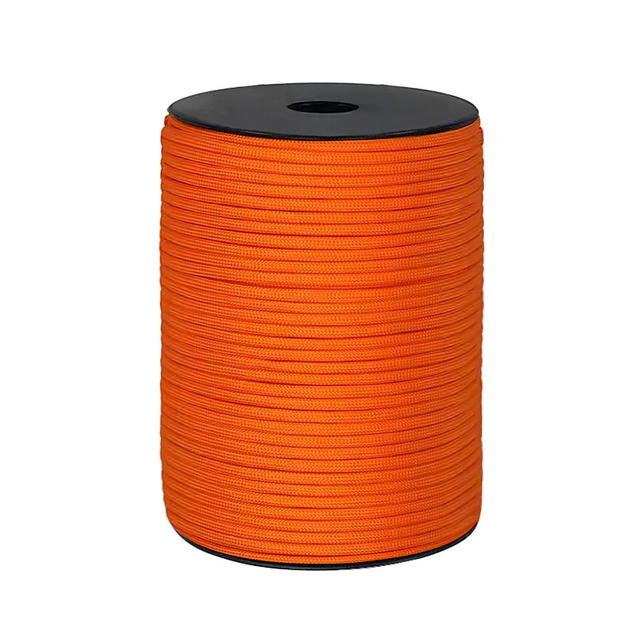
A good Nylon Rope review should focus on real boating use. We should not look at price alone. Docking, anchoring, and mooring create different demands, so the rope must be judged by performance, not only by appearance.
Tensile strength: It shows how much load the rope can handle. This is important for anchoring, docking, and heavier marine work.
Elasticity: It helps the rope absorb sudden force. That makes it useful when waves and wake keep changing tension.
Abrasion resistance: It matters when the rope rubs against cleats, chocks, or dock edges. Better wear resistance usually means longer service life.
Handling comfort: It affects daily use on board. If it coils, ties, and grips well, people can work more easily and safely.
Construction changes how Nylon Rope performs. Even when the material is the same, the structure can affect strength, flexibility, and handling. That is why buyers should compare rope type before making a final choice.
3 strand nylon rope: It is a practical marine option. Many buyers like it because it is familiar and easier to splice.
Double braided nylon rope: It usually feels smoother in hand. It is often chosen for more refined everyday boating use.
8 strand nylon rope: It fits stronger mooring demands better. It is more suitable for heavier marine conditions.
12 strand nylon rope: It is often used when buyers want broader heavy-duty performance. It can suit more specialized applications.
| Rope Type | Best Use | Main Advantage |
|---|---|---|
| 3 Strand Nylon Rope | Docking and anchoring | Simple and easy to splice |
| Double Braided Nylon Rope | Everyday boating use | Smooth handling |
| 8 Strand Nylon Rope | Mooring | Better for heavier loads |
| 12 Strand Nylon Rope | Specialized marine work | Stronger application range |
Boat size matters when choosing Nylon Rope. A rope that is too small may not handle load safely. A rope that is too large may feel harder to manage and add extra cost without much benefit.
Diameter choice: It should match the boat size and expected load. Undersized rope creates more risk during movement and strain.
Length choice: It should fit the real docking or anchoring task. Longer is not always better because extra rope can become harder to control.
Application fit: Dock lines and anchor lines often need different lengths. Buyers should match size to the job, not just pick a general option.
A high-quality Nylon Rope should look consistent and feel dependable. Buyers should check both the rope itself and the supplier information behind it. Good marine rope is not only about material. It is also about build quality and product support.
Consistent construction: The rope should look even and well made. A rough or uneven build can signal weaker quality control.
Smooth finish: It should feel clean and comfortable in hand. That usually improves handling during repeated marine use.
Clear specifications: Good suppliers explain rope type, size, and marine use clearly. That makes product choice easier and safer.
Testing credibility: Reliable manufacturing and testing support give buyers more confidence. It also helps the rope feel more trustworthy for boating work.
For docking, Nylon Rope needs to do more than hold the boat in place. It also needs to handle movement from waves, wake, and tide changes. That is why dock lines need good elasticity and wear resistance. A rope that can absorb force more smoothly helps reduce sharp pulling on the boat and dock hardware.
Elasticity matters: Docking lines face changing tension all the time. A rope with some stretch can respond better when the boat moves.
Wear resistance matters: Dock lines often rub against cleats, chocks, and dock edges. Better surface durability helps the rope last longer in daily use.
Handling matters: People use dock lines again and again. If the rope is easier to grip, coil, and tie, it becomes more practical for routine boating work.
Anchoring puts a different kind of pressure on Nylon Rope. The line may sit under load for a long time, then suddenly face stronger pulling from wind or waves. That is why anchor lines benefit from stretch and shock absorption more than many general-purpose ropes.
Stretch helps: It softens sudden load changes from water movement. This can make the anchoring system feel more controlled.
Shock absorption helps: It reduces sharp strain on the line and connected hardware. That is one reason nylon is often chosen for anchoring.
Anchor rope is different: It should be selected for marine load behavior, not just general utility use. Buyers should look for a rope made for anchoring conditions, not only for simple onboard tasks.
Mooring and heavier marine work need stronger rope structures. Larger vessels and tougher conditions create higher load demands, so rope construction becomes even more important. In these situations, buyers should not choose by material alone. They should also compare how the rope is built.
8 strand nylon rope: It is often a better fit for heavier mooring demands. It suits buyers who expect stronger load pressure over time.
Heavier constructions: They make more sense when the rope will face larger vessels or more demanding use conditions. Structure affects both strength and long-term fit.
What to compare first: Buyers should look at rope construction, load demand, and application type before choosing. Heavy-duty use usually needs more than a basic general-purpose rope.
| Boating Application | Best Nylon Rope Focus | Main Buying Priority |
|---|---|---|
| Docking | Flexible dock line | Elasticity and wear resistance |
| Anchoring | Shock-absorbing anchor line | Stretch and load control |
| Mooring | 8 strand or heavier nylon rope | Strength and structure |
| General utility | Versatile nylon rope | Easy handling and broad use |
Not every rope on a boat is used for docking or anchoring. Some are needed for everyday onboard tasks, backup use, or light-duty support. In these cases, a more versatile Nylon Rope can be the better choice because it gives buyers flexibility without pushing them into an overly heavy option.
Everyday onboard use: It may help with general tying, light securing, and routine rope work. A rope that is easy to handle usually works better here.
Backup rope needs: Boats often need spare rope for unplanned tasks. A practical nylon rope can fill that role well.
Lightweight vs heavy-duty choice: Buyers should think about what the rope will do most often. A versatile rope is better when the job changes, while a heavier rope is better when the load stays high.
New Coast Rope offers a focused Nylon Rope range for marine buyers instead of only one general product line. Its portfolio includes 3 Strand Nylon Rope, 8 Strand Nylon Rope, 12 Strand Nylon Rope, Double Braided Nylon Rope, Nylon Dock Line, and Nylon Anchor Line. This matters in boating because different jobs need different rope structures. Docking, anchoring, and mooring do not place the same demands on a line, so a broader nylon range gives buyers a better chance of finding the right fit for actual marine use.
One reason New Coast Rope stands out is its ability to support more than one kind of boating requirement. The company offers multiple rope constructions and a broad diameter range, which helps buyers match rope type to boat size, working load, and application. That flexibility is useful for customers who need rope for docking, anchoring, mooring, towing, or mixed marine tasks. Instead of forcing every buyer toward a one-size-fits-all option, New Coast Rope gives them more practical ways to choose a Nylon Rope that fits real boating conditions.
New Coast Rope also brings a stronger manufacturing background to the review. According to the company information, it has roots dating back to the 1990s and combines rope production with technical service and product development. It also states that it uses imported production equipment and tensile testing systems, including 150-ton and 500-ton testing machines. In addition, the company highlights compliance and marine-related approvals from organizations such as CCS, BV, LR, and KR. For buyers, these details strengthen confidence because they suggest the rope is supported by manufacturing control, testing capability, and marine application experience rather than by basic product claims alone.
Customization is another advantage for marine buyers. New Coast Rope states that it supports custom length, custom color, construction choices, packaging options, logo marking, and private label or OEM/ODM service. This is especially useful for marine distributors, wholesalers, and project buyers who need rope tailored to different vessel types or order programs. In boating, small specification changes can make a big difference in how a rope fits the end use, so customization support gives buyers more control and makes the sourcing process more practical.
Choosing the best Nylon Rope for boating in 2025 means looking at more than material alone. Buyers need to compare rope construction, stretch, handling, and application fit for docking, anchoring, mooring, and general boat work. New Coast Rope adds practical value through its nylon dock lines, anchor lines, braided rope options, and custom service, helping marine buyers find more reliable rope solutions for different boating needs.
A: Nylon Rope is used for docking, anchoring, mooring, and general boat work.
A: Nylon Rope offers stretch, shock absorption, and better daily handling.
A: A nylon anchor line is better for reducing sudden strain.
A: Match Nylon Rope diameter and length to boat size and load.
A: It offers marine rope options, custom service, and practical boating value.


