
Views: 0 Author: Site Editor Publish Time: 2025-12-04 Origin: Site


Did you know that beer cans have a rich history dating back to the 1930s? These containers revolutionized how we enjoy beverages.
In this article, we'll explore the evolution of beer cans and their ongoing relevance today.
You'll learn about the innovative designs and materials that keep beer fresh and accessible for everyone.
Polypropylene rope, often referred to as PP rope, is a synthetic material made from thermoplastic polymer fibers. Its unique properties make it a popular choice across various industries.
● Buoyancy: One standout feature of PP rope is its ability to float on water. This makes it ideal for marine applications where visibility and accessibility are crucial.
● Lightweight: PP rope is incredibly lightweight, which enhances its portability. Handling and transporting it is a breeze, making it a favorite for many users.
● Chemical Resistance: This rope is highly resistant to a range of chemicals, including acids, alkalis, and oils. This resistance ensures durability in harsh environments.
PP rope is versatile. Here are some common applications:
● Marine Applications: Used for mooring boats and securing equipment.
● Packaging: Ideal for bundling products or creating temporary barriers.
● Agricultural Uses: Often used in farming for tying plants or securing loads.
Application | Description |
Marine | Mooring lines and securing equipment |
Packaging | Bundling products and temporary barriers |
Agriculture | Tying plants and securing loads |
Nylon rope is another synthetic option, made from polyamide fibers. It is known for its strength and versatility, making it suitable for demanding applications.
● Strength: One of the most impressive aspects of nylon rope is its tensile strength, which can be about 2.5 times stronger than organic manila rope. This makes it perfect for heavy-duty tasks.
● Elasticity: Nylon can stretch between 15-28% under working loads. This elasticity allows it to absorb shocks effectively, reducing the risk of breakage during sudden loads.
● UV Resistance: Unlike many other materials, nylon offers superior protection against UV degradation. This quality ensures it lasts longer when exposed to sunlight.
Nylon rope is widely used in various fields. Here are some typical applications:
● Heavy-Duty Tasks: Perfect for towing and lifting applications, where strength is paramount.
● Marine Mooring Lines: Essential for securing boats and ships.
● Rescue Operations: Often utilized in rescue scenarios due to its strength and shock-absorbing capabilities.
Application | Description |
Heavy-Duty Tasks | Towing and lifting applications |
Marine | Mooring lines for boats and ships |
Rescue Operations | Used in emergency rescue scenarios |
Both polypropylene and nylon ropes have unique properties that make them suitable for different applications. Understanding these differences helps in selecting the right rope for your specific needs.
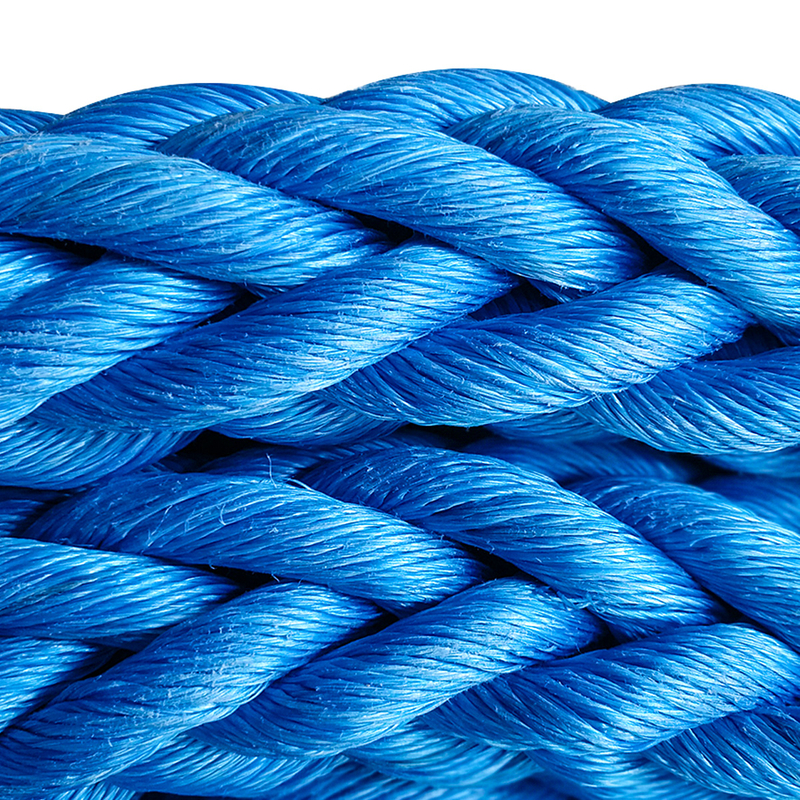
When it comes to strength, nylon rope clearly outshines polypropylene (PP) rope. Nylon boasts a tensile strength that is approximately 2.5 times greater than that of organic manila rope. This makes it the go-to choice for heavy-duty applications. In contrast, while PP rope offers decent strength, it falls short in high-stress situations.
● PP Rope: It has good wear resistance, making it suitable for various tasks. However, it does have a notable weakness: UV sensitivity. Prolonged exposure to sunlight can lead to degradation, reducing its lifespan.
● Nylon Rope: On the other hand, nylon rope excels in durability. It is highly resistant to abrasion and can withstand harsh outdoor conditions. This makes it a better option for long-term use, especially in environments where exposure to the elements is a concern.
Rope Type | Tensile Strength | UV Resistance | Abrasion Resistance |
PP Rope | Moderate | Poor | Good |
Nylon Rope | High | Excellent | Excellent |
Another critical difference lies in weight and buoyancy. PP rope is notably lightweight, allowing it to float on water. This characteristic makes it particularly useful in marine environments, where visibility and ease of handling are essential.
However, nylon rope has a higher density and tends to sink. This sinking property can be a disadvantage for certain water-related activities, such as water sports or rescue operations, where visibility is crucial.
● PP Rope: Its buoyancy means it remains on the surface, making it easy to retrieve and handle in aquatic settings. This is especially beneficial for tasks like mooring boats or securing equipment.
● Nylon Rope: While it offers strength, its tendency to sink can complicate its use in situations where floating lines are necessary.
Elasticity is another area where nylon rope shines. It can stretch between 15% and 28% under load, acting as an effective shock absorber. This elasticity helps to distribute sudden forces, making nylon ideal for dynamic loads, such as towing or rescue operations.
In contrast, PP rope has low stretch properties. While this means it provides stability during use, it lacks the shock-absorbing capabilities of nylon. When subjected to sudden loads, PP rope is more likely to snap rather than stretch, which can lead to failure in critical situations.
Rope Type | Elasticity | Shock Absorption | Performance Under Load |
PP Rope | Low | Minimal | Likely to snap |
Nylon Rope | High | Excellent | Absorbs shock well |
Both types of rope have their unique strengths and weaknesses. Understanding these differences helps users choose the right rope for their specific applications.
When it comes to pricing, polypropylene (PP) rope is generally more budget-friendly than nylon rope. The price range for PP rope typically falls between ¥0.35 and ¥13.47, which is about US$0.05 to US$1.85. This affordability makes PP rope an attractive option for those looking for cost-effective solutions for temporary or light-duty applications.
In contrast, nylon rope tends to be on the higher end of the spectrum. Prices can range from ¥2.84 to ¥325.31, translating to approximately US$0.39 to US$44.80. This higher cost reflects its superior strength and durability, making it a worthwhile investment for heavy-duty uses.
Rope Type | Price Range (¥) | Price Range (USD) |
PP Rope | ¥0.35 - ¥13.47 | US$0.05 - US$1.85 |
Nylon Rope | ¥2.84 - ¥325.31 | US$0.39 - US$44.80 |
While PP rope is cheaper upfront, it’s essential to consider its longevity and overall value for money. PP rope is ideal for short-term uses, such as temporary barriers or light packaging tasks. However, it typically lasts only 1-2 years, especially when exposed to UV rays. This shorter lifespan means you may need to replace it more frequently, which can add up over time.
On the other hand, nylon rope offers significant long-term investment benefits. With a lifespan of 5-10 years, nylon can withstand harsh conditions, making it a better choice for heavy-duty applications, such as towing or marine use. While the initial cost is higher, the durability and performance of nylon rope can lead to savings in the long run, as you won’t need to replace it as often.
Rope Type | Lifespan | Ideal Use |
PP Rope | 1-2 years | Short-term applications |
Nylon Rope | 5-10 years | Heavy-duty applications |
In summary, while PP rope may seem like the more economical choice initially, nylon rope provides better value over time. Its longevity and reliability make it a smart investment for demanding tasks.
When evaluating the environmental impact of ropes, the lifespan of the material plays a crucial role. Polypropylene (PP) rope typically lasts about 1-2 years, especially when exposed to sunlight. This shorter lifespan means it may need to be replaced more frequently, which can lead to increased waste.
In contrast, nylon rope has a much longer lifespan, lasting between 5-10 years. This durability makes it a more sustainable option in the long run. However, both types of rope have recyclability considerations.
● PP Rope: It is generally easier to recycle compared to nylon. However, the recycling process can be complicated by the potential for microplastic pollution. When PP rope breaks down, it can contribute to microplastics in the environment, which poses a significant ecological threat.
● Nylon Rope: Nylon is increasingly being produced from recycled materials, such as discarded fishing nets. This sustainable approach, often branded as Econyl, not only reduces waste but also helps to prevent ocean pollution.
Rope Type | Lifespan | Recyclability |
PP Rope | 1-2 years | Easier to recycle; microplastic pollution risk |
Nylon Rope | 5-10 years | Made from recycled materials; eco-friendly |
The environmental implications of using PP rope are significant. As mentioned, the risk of microplastics is a growing concern. When PP rope degrades, it can release tiny plastic particles into the ecosystem. These microplastics can harm marine life and enter the food chain, posing threats to both wildlife and human health.
On the other hand, the trend toward recycled nylon ropes is gaining momentum. By utilizing recycled materials, manufacturers are helping to reduce waste and the demand for virgin resources. This shift not only benefits the environment but also raises awareness about sustainable practices in the industry.
● Reduced Waste: Using recycled materials helps divert plastic from landfills and oceans.
● Lower Carbon Footprint: Producing nylon from recycled sources often requires less energy than creating new nylon.
● Conservation of Resources: It reduces the need for new raw materials, promoting a more sustainable cycle of production.
Environmental Factor | PP Rope | Nylon Rope |
Microplastic Risk | High | Low (when made from recycled materials) |
Resource Conservation | Moderate | High (due to recycling efforts) |
Longevity | Short-term | Long-term |
Both PP and nylon ropes have their environmental pros and cons. While PP rope may be easier to recycle, its contribution to microplastic pollution raises concerns. Conversely, nylon's longer lifespan and potential for recycling make it a compelling choice for environmentally conscious consumers.
Polypropylene (PP) rope is a versatile option well-suited for various applications, particularly in marine environments and light-duty tasks. Its buoyancy makes it ideal for situations where floating lines are essential. For instance, when securing boats or buoys, PP rope's ability to float ensures visibility and ease of retrieval.
● Marine Applications: PP rope is commonly used for mooring boats, anchoring, and general marine work. Its resistance to water and lightweight nature make it a favorite among boaters.
● Light-Duty Tasks: From packaging to crafting, PP rope excels in applications where strength is not the primary concern. It’s perfect for tying down lightweight items or creating temporary barriers at events.
● Temporary Marking: In construction or landscaping, PP rope can effectively mark off areas without the need for permanent fixtures. Its affordability allows for easy replacement as needed.
Application Type | Description |
Marine | Used for mooring, anchoring, and securing items. |
Light-Duty Tasks | Ideal for packaging, crafting, and tying items. |
Temporary Marking | Effective for marking areas in construction or events. |
Nylon rope is the go-to choice for heavy-duty applications requiring strength and durability. Its impressive tensile strength and shock-absorbing capabilities make it suitable for demanding environments.
● Heavy-Duty Applications: Industries such as construction and towing benefit from nylon rope’s strength. It can handle the stresses of lifting and securing heavy loads without breaking.
● Marine Mooring Lines: Nylon is preferred for mooring boats and ships, where its resistance to abrasion and UV rays ensures long-lasting performance. It can withstand harsh conditions, making it reliable for extended use.
● Rescue Operations: In emergency situations, nylon rope’s shock-absorbing properties are invaluable. It is often used in rescue scenarios where sudden loads and dynamic forces are present, ensuring safety and reliability.
Application Type | Description |
Heavy-Duty Tasks | Perfect for construction, towing, and lifting. |
Marine Mooring | Ideal for securing boats and ships in harsh conditions. |
Rescue Operations | Essential for emergency rescues and safety lines. |
Both PP and nylon ropes have their unique strengths, making them suitable for different applications. Understanding the specific needs of your tasks will help you choose the right rope for optimal performance in 2025.
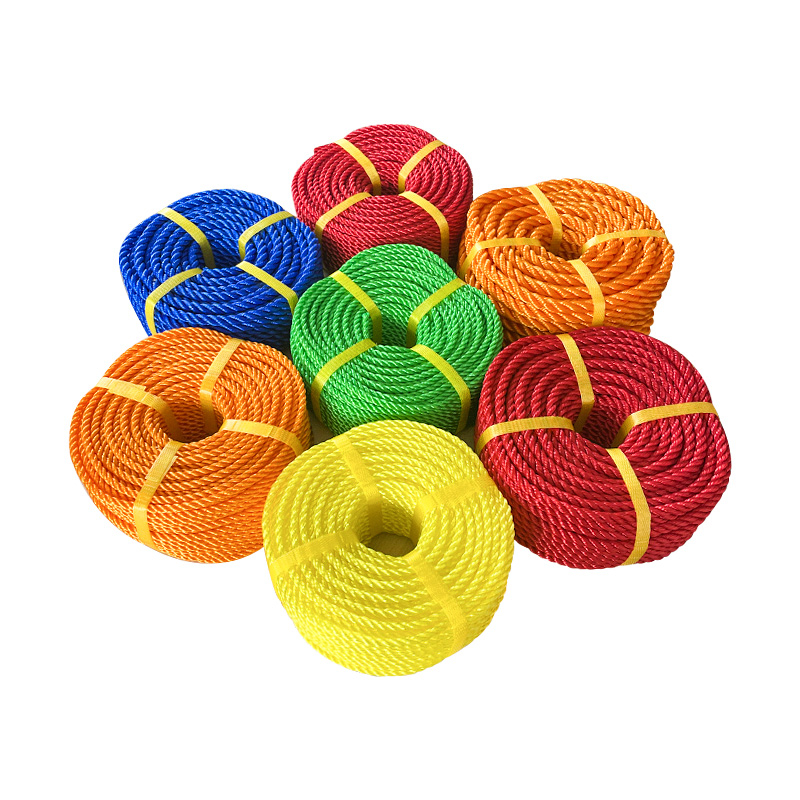
When it comes to choosing between polypropylene (PP) rope and nylon rope, customer experiences reveal a wealth of insights. Many users appreciate the affordability and lightweight nature of PP rope. For instance, a local marina manager shared, "We use PP rope for our boat moorings. It’s cost-effective and easy to handle, which is perfect for our needs."
Conversely, those requiring high strength often prefer nylon rope. A construction supervisor noted, "Nylon rope is our go-to for heavy lifting. Its durability and shock absorption make it invaluable on-site." Users frequently highlight that while PP rope is suitable for lighter tasks, nylon's robustness is unmatched in demanding environments.
● PP Rope: Chosen for its affordability, buoyancy, and suitability for light-duty tasks.
● Nylon Rope: Favored for its strength, elasticity, and long-term reliability in heavy-duty applications.
User Type | Preferred Rope | Reasons for Preference |
Marina Managers | PP Rope | Cost-effective and easy to handle |
Construction Supervisors | Nylon Rope | Strong, durable, and shock-absorbing |
Industry experts emphasize the importance of understanding specific needs when selecting between PP and nylon rope. They recommend considering the intended application, environmental factors, and budget constraints.
Many manufacturers offer OEM (Original Equipment Manufacturer) and ODM (Original Design Manufacturer) services. This means businesses can customize rope specifications to meet unique requirements. An expert from a leading rope manufacturer stated, "Customization allows us to tailor products for specific industries, ensuring optimal performance."
Reliable logistics are crucial in the rope supply chain. Experts stress the importance of timely delivery and product availability. A logistics manager explained, "Efficient logistics ensure that our clients receive the right ropes when they need them, minimizing downtime and maximizing productivity."
Recommendation Type | Key Points |
Customization | Tailored solutions for specific industry needs |
Logistics | Timely delivery and product availability |
By leveraging customer insights and expert recommendations, users can make informed decisions about whether to choose PP rope or nylon rope for their specific applications in 2025.
In this article, we explored the differences between polypropylene (PP) rope and nylon rope. Key points included their strength, durability, and ideal applications.
Choosing the right rope depends on your specific needs and environment. For light-duty tasks, PP rope is often preferred, while nylon rope excels in heavy-duty situations.
As you make your decision in 2025, consider what works best for your projects.
A: The main difference is that PP rope is lightweight and buoyant, while nylon rope is stronger and more durable.
A: No, nylon rope is significantly stronger than polypropylene rope, offering better tensile strength.
A: PP rope is not ideal for heavy-duty applications; nylon rope is recommended for such tasks.
A: Consider the application, required strength, and environmental conditions when selecting a rope.
A: Yes, nylon ropes can be made from recycled materials, while PP rope is easier to recycle.


