
Views: 0 Author: Site Editor Publish Time: 2026-04-08 Origin: Site


Choosing the wrong rope can cause real problems outdoors, so selecting the right Nylon Rope is important for safety and performance. In this guide, we explain how to choose the right option for different activities. You will learn about strength, types, and practical outdoor uses.
Nylon Rope is a synthetic rope made from polyamide fibers. It is widely used in outdoor activities because it combines strength, flexibility, and durability in one material. It is also available in different constructions, such as twisted and braided types, which helps users choose the right option for their specific needs. New Coast Rope offers multiple nylon rope structures, making it easier to match rope performance with real outdoor use.
Nylon rope is popular because it performs well in many everyday outdoor situations. Whether you are camping, securing gear, or handling light marine work, it provides a balanced experience without being too specialized or difficult to use.
| Key Feature | Outdoor Advantage |
|---|---|
| Strength | Supports heavier loads |
| Flexibility | Easier handling and knotting |
| Shock absorption | Better control under movement |
| Durability | Longer use in rough conditions |
Outdoor rope must handle changing conditions. Nylon Rope is often chosen because it works reliably across different environments, even when conditions are not ideal.
In wet environments, nylon rope still performs well for general outdoor use. It remains flexible and usable, which is important for activities like camping or docking. Many users prefer it because it maintains handling even when exposed to moisture.
In sunny conditions, outdoor ropes face UV exposure over time. Nylon rope is commonly used because it offers dependable durability when used and maintained properly. This makes it suitable for repeated outdoor use instead of short-term applications.
In rough environments, abrasion becomes a key factor. Nylon rope handles repeated friction better than many materials. It can be used on surfaces like rocks, metal edges, or equipment without wearing out too quickly.
Another important point is usability. Outdoor users often prefer rope that feels easy to control. Nylon rope offers a balance between strength and handling, so it works well in both light and moderate-duty situations. It is not just about performance numbers, but how the rope behaves in real use.
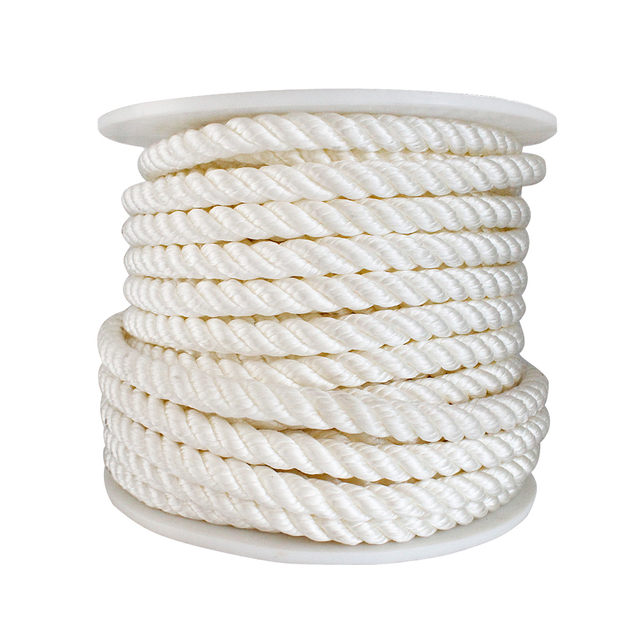
When we choose Nylon Rope for camping or hiking, we usually want something simple, reliable, and easy to handle. It should not be too heavy, yet it must be strong enough for daily outdoor tasks. In these situations, balance matters more than extreme performance.
For general outdoor use, nylon rope works well because it is flexible and easy to tie. It also adapts to different uses during a trip. One rope can often handle several tasks, which makes packing easier and more efficient.
Tying gear
It helps secure backpacks, tools, or equipment during transport. A flexible rope makes it easier to adjust quickly when needed. It also reduces frustration when tying or untying knots in real outdoor conditions.
Securing tarps
It works well for setting up shade or rain protection. Nylon rope can handle tension changes caused by wind or movement. This makes it more reliable for temporary shelter setups.
Shelter setup
It is commonly used for tents or temporary structures. A rope that is easy to handle saves time during setup. It also helps improve stability in changing weather.
Light-duty utility tasks
It can be used for bundling firewood, hanging items, or organizing gear. Its versatility makes it a practical choice for everyday outdoor use.
For these activities, many users prefer medium diameter rope. It offers enough strength without becoming difficult to carry or manage.
Marine environments create different challenges. Water movement, load changes, and repeated tension all affect rope performance. This is where Nylon Rope becomes especially useful because of its natural elasticity and strength.
In boating or docking, rope must handle constant movement. Waves and shifting loads create sudden tension. Nylon rope absorbs these changes better than many materials, which helps reduce stress on both the rope and the equipment.
Shock absorption for moving loads
It helps manage sudden force when boats move or shift. This reduces the risk of damage during docking or anchoring.
Handling in wet environments
It remains flexible and usable even when exposed to water. This makes it easier to tie and adjust under real conditions.
Importance of construction and strength
Stronger constructions such as multi-strand or braided ropes provide better stability. They are more suitable for marine use where safety matters.
New Coast Rope includes nylon dock lines and anchor lines in its product range, which shows how nylon rope fits naturally into marine and docking applications.
For heavy-duty outdoor work, Nylon Rope is often chosen because of its strength and shock absorption. These tasks include pulling, towing, lifting, or recovery operations where load stability is critical.
In these situations, rope must handle high tension and sudden force. Nylon rope performs well because it can stretch slightly under load. This helps reduce impact during pulling or recovery tasks, which improves safety.
Pulling and towing needs
It provides strong load support during movement. This makes it useful for vehicles, equipment, or heavy outdoor objects.
Load stability
It helps reduce sudden force changes. This is important when handling uneven terrain or shifting loads.
Recovery rope applications
It is often used in recovery situations because of its elasticity. It can absorb shock better than rigid materials.
However, users must choose the correct diameter and construction. A rope that is too thin may fail under pressure. A rope that is not designed for heavy-duty use may wear out quickly.
| Activity Type | Recommended Nylon Rope Feature |
|---|---|
| Camping / Hiking | Lightweight, flexible |
| Boating / Docking | High strength, shock absorption |
| Heavy-duty work | Thick diameter, strong construction |
| Recovery tasks | High elasticity, durability |
Before buying Nylon Rope, we should take a moment to think about how we will actually use it. A few simple questions can help avoid choosing the wrong type and improve overall performance in outdoor situations.
What will the rope be used for?
Different activities require different rope types. Camping needs flexibility, while towing requires strength. Understanding the main use helps narrow down the right choice.
How much load will it handle?
Load capacity is critical for safety. We should always choose a rope that can handle more than the expected weight. This reduces risk during use.
Will it face water, sun, or abrasion?
Outdoor environments vary. Some ropes are exposed to moisture, others to rough surfaces or sunlight. Choosing based on environment helps improve durability.
Do you need stretch or firmness?
Some tasks need shock absorption, while others require stability. Nylon rope offers flexibility, but construction still matters depending on the job.
By asking these questions first, we can match the rope to the activity instead of guessing. This makes the buying process more efficient and helps avoid mistakes later.
When choosing Nylon Rope, diameter is one of the most important factors. It directly affects how much load the rope can handle, how it feels in use, and how easy it is to manage outdoors. A thicker rope usually means higher strength, but it also becomes heavier and less flexible. So we should not choose based on size alone.
In real situations, we need to match rope diameter to the actual job. A rope that is too thin may fail under tension. A rope that is too thick may be hard to handle or unnecessary for light tasks. That is why experienced users always think about application first, not appearance.
Small diameter ropes
They are lightweight and easy to carry. They work well for camping, tying gear, and light-duty tasks. However, they are not suitable for heavy loads or strong pulling forces.
Medium diameter ropes
They offer a balance between strength and flexibility. Many outdoor users prefer them because they handle well and still provide enough strength for general use.
Large diameter ropes
They are designed for heavy-duty work. They are often used in towing, docking, or securing large equipment where higher load capacity is required.
New Coast Rope supports a wide range of diameters, which helps buyers choose the right rope based on real needs rather than guessing.
Not all Nylon Rope feels the same during use. The way it is constructed changes how it performs. The two most common types are twisted and braided rope, and each has its own advantages depending on the situation.
Twisted nylon rope is made by twisting fibers into strands. It has a more traditional look and offers strong grip. Many users choose it for practical outdoor tasks because it feels stable and reliable under load.
Braided nylon rope is made by weaving fibers together. It has a smoother surface and feels more flexible. This makes it easier to handle, especially when frequent knotting or adjustment is needed.
Twisted Nylon Rope
Strong grip and simple structure
Good for heavy-duty and utility work
Slightly more stretch under tension
Braided Nylon Rope
Smooth surface and better handling
Easier to coil and manage
More comfortable for repeated use
Choosing between them depends on how you plan to use the rope. If you need strength and grip, twisted rope is a solid choice. If you want smoother handling, braided rope works better.
Different constructions of Nylon Rope are designed for different outdoor needs. It is not only about strength. It also affects flexibility, wear resistance, and how the rope behaves under pressure. New Coast Rope offers multiple constructions, which allows buyers to choose based on specific applications.
3-strand nylon rope
It is simple and widely used. It provides reliable strength and is easy to handle. Many users choose it for general outdoor work.
8-strand nylon rope
It offers better flexibility and more even load distribution. It is often used in marine or docking situations.
12-strand nylon rope
It provides higher strength and smoother performance. It works well in more demanding outdoor environments.
Double braided nylon rope
It combines a strong inner core and a protective outer layer. It offers excellent strength and smooth handling, making it suitable for professional use.
Each structure changes how the rope performs. That is why experienced buyers always consider construction along with diameter when selecting rope.
For many buyers, especially distributors or project users, customization is just as important as specifications. Choosing the right Nylon Rope often includes adjusting details to fit real applications. New Coast Rope supports OEM and ODM services, which helps buyers customize products for different markets and uses.
Customization improves both usability and efficiency. It allows buyers to get rope that is ready to use without extra modification.
| Custom Option | Practical Value |
|---|---|
| Length | Reduces cutting time and material waste |
| Color | Helps quick identification and organization |
| Packaging | Improves storage and transportation |
| Loops & accessories | Saves setup time and increases convenience |
| Logo marking | Supports branding and private label needs |
Length customization
It helps avoid unnecessary cutting and improves efficiency during outdoor use or installation.
Color options
They make it easier to identify rope types quickly, especially when multiple ropes are used together.
Pre-made loops and fittings
They reduce setup time and make the rope more convenient in real situations.
Branding and packaging
These options are useful for wholesalers and private label buyers who want to build their own product line.
When choosing Nylon Rope, we should look beyond the product itself. The supplier often tells us more about quality than the rope description alone. A reliable supplier usually provides clear information, consistent product options, and real application support.
A good supplier does not hide details. They show how their rope is made, where it is used, and how it can be customized. This helps us choose based on facts instead of guesswork.
Clear product range
It shows different rope types and structures. This helps us match the rope to real outdoor use. It also suggests the supplier has solid production capability.
Material and structure clarity
The supplier should clearly explain nylon material and construction. This helps us understand performance, not just appearance.
Application experience
Suppliers working in marine or outdoor fields usually offer more practical solutions. Their products are designed for real conditions.
Customization support
Services like OEM or ODM allow buyers to adjust rope details. New Coast Rope provides this kind of flexibility for different needs.
Two ropes may look the same, but they may not perform the same. The difference often comes from how they are produced and tested. For Nylon Rope, stable production ensures consistent strength and durability.
Manufacturing quality matters because outdoor rope faces real stress. If production is not controlled, the rope may fail under load. That is why testing is important before the rope reaches the user.
New Coast Rope highlights its production equipment and tensile testing systems, which helps support product consistency.
Production consistency
It ensures each rope performs the same. This reduces risk during use.
Tensile testing
It checks how much load the rope can handle. This confirms strength in real conditions.
Quality control
It improves reliability, especially in outdoor or heavy-duty use.
Certifications help us trust what we buy. They show that the Nylon Rope meets certain standards and has been tested by recognized organizations. This is especially important for marine or industrial use.
New Coast Rope mentions approvals from classification societies such as CCS, BV, LR, and KR. These are commonly used in demanding environments where safety matters.
Better confidence
Certifications reduce uncertainty during purchase. They show the product meets recognized standards.
Useful for demanding environments
Approved rope is often preferred in marine or heavy-duty use. It provides more trust in performance.
Support for supplier credibility
Certifications strengthen the supplier’s profile. They show a higher level of quality control.
Choosing the right Nylon Rope depends on use, strength, and conditions. It should match load, handling, and environment needs. New Coast Rope offers multiple constructions, strong durability, and flexible customization, helping users find reliable solutions for outdoor, marine, and heavy-duty tasks.
A: Nylon Rope is used for camping, tying gear, and marine tasks.
A: Nylon Rope offers strength, flexibility, and shock absorption in outdoor conditions.
A: Choose Nylon Rope based on load needs, not just thickness.
A: Nylon Rope performs well in water and remains flexible.
A: Nylon Rope durability depends on construction, use, and environment.


